

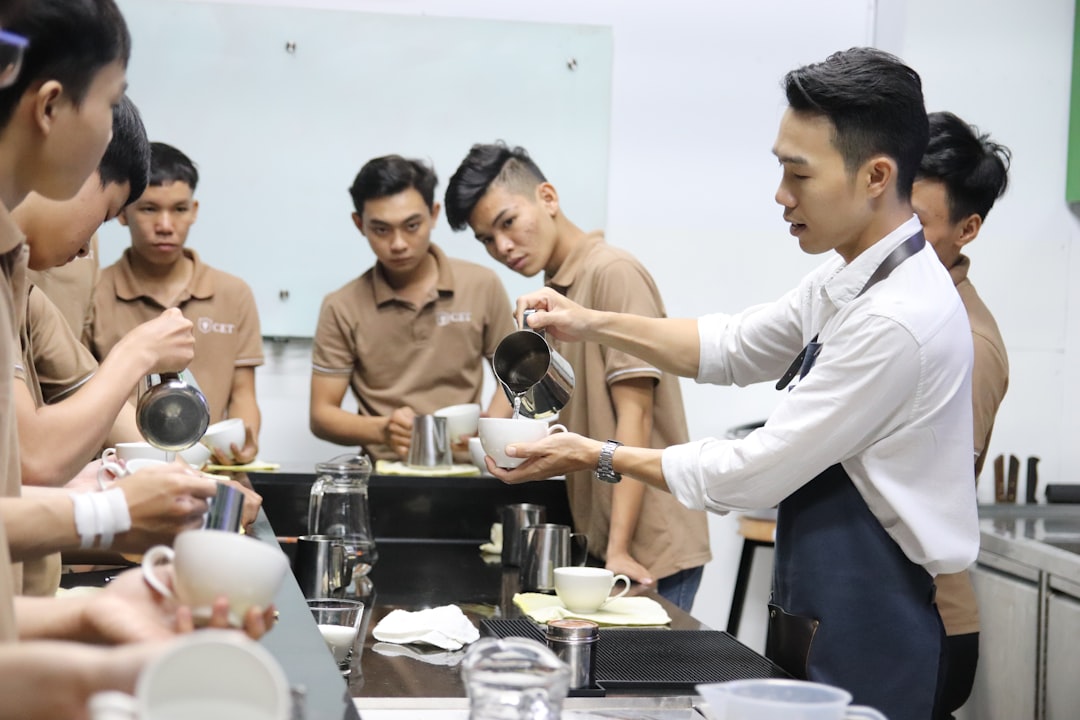

Hospitality is evolving. Guests no longer judge food and drink experiences purely on speed or convenience. They look for quality, authenticity, and consistency. This shift has placed skill at the centre of modern hospitality. Skill-based hospitality is becoming the new standard because it transforms service into craftsmanship and transactions into experiences.
From cafés and restaurants to hotels and event venues, businesses that invest in skill development create stronger reputations, higher customer loyalty, and more meaningful engagement.
What Is Skill-Based Hospitality?
Skill-based hospitality focuses on expertise, training, and professionalism at every stage of service. It values knowledge of ingredients, preparation techniques, presentation, and customer interaction. Instead of relying on basic processes, teams are empowered to deliver thoughtful, high-quality experiences.
This approach raises standards across the board. Food tastes better. Drinks are more consistent. Service feels confident rather than rushed. Guests can sense the difference immediately.
Why Skill Matters More Than Ever
Modern customers are well informed. They understand quality, appreciate craftsmanship, and recognise effort. When a barista prepares a coffee with precision or a server explains flavour profiles with confidence, it builds trust and credibility.
Skill shows respect for the guest. It demonstrates that their experience matters enough to be done properly, not just quickly.
Training as the Foundation of Excellence
Behind every great hospitality experience is training. Structured education allows teams to develop consistency, confidence, and creativity. Programmes like those offered by Ringtons are increasingly sought after by businesses looking for barista training in the south east that strengthens both technical ability and customer service skills in one professional framework.
Training transforms individuals into specialists who understand not just how to make drinks, but how to create memorable experiences.
Consistency Builds Reputation
Skill-based hospitality thrives on consistency. Guests want to know that their experience will be just as good today as it was last time. Well-trained teams deliver stable quality regardless of time, location, or workload.
Consistency builds trust. Trust builds loyalty. Loyalty builds long-term success.
Skill Elevates Customer Experience
When hospitality professionals are confident in their abilities, they engage more naturally with guests. They explain options clearly, recommend flavours accurately, and respond to requests with flexibility.
This creates a more relaxed and personalised experience. Guests feel cared for rather than processed.
Professionalism Encourages Pride and Retention
Training does not only benefit customers. It also empowers staff. When employees are skilled, they feel valued and capable. This leads to higher job satisfaction and stronger motivation.
Teams that feel proud of their expertise deliver better service and stay longer within businesses, creating stability and continuity.
Skill Supports Brand Identity
Hospitality brands are built on experience. Skill shapes that experience. Whether a business wants to feel refined, friendly, innovative, or comforting, trained staff bring that identity to life through service quality and presentation.
Without skill, branding becomes surface-level. With skill, branding becomes real.
Adaptability Through Expertise
Skilled teams adapt more easily to trends, dietary needs, and changing customer expectations. They understand ingredients, preparation methods, and service principles deeply enough to evolve without losing quality.
This adaptability keeps businesses competitive in an industry that is constantly shifting.
Skill Is the New Measure of Value
Price alone no longer defines value. Guests judge value by how an experience makes them feel. A well-made drink, delivered confidently and thoughtfully, feels worth more than something rushed or inconsistent.
Skill turns ordinary service into a premium experience.
A New Standard for Hospitality
Skill-based hospitality is not a trend. It is a new baseline. It reflects a wider shift toward quality, professionalism, and respect for both craft and customer.
In food and drink, skill is now the language of excellence. It is what transforms hospitality from service into artistry, and from routine into reputation.

