

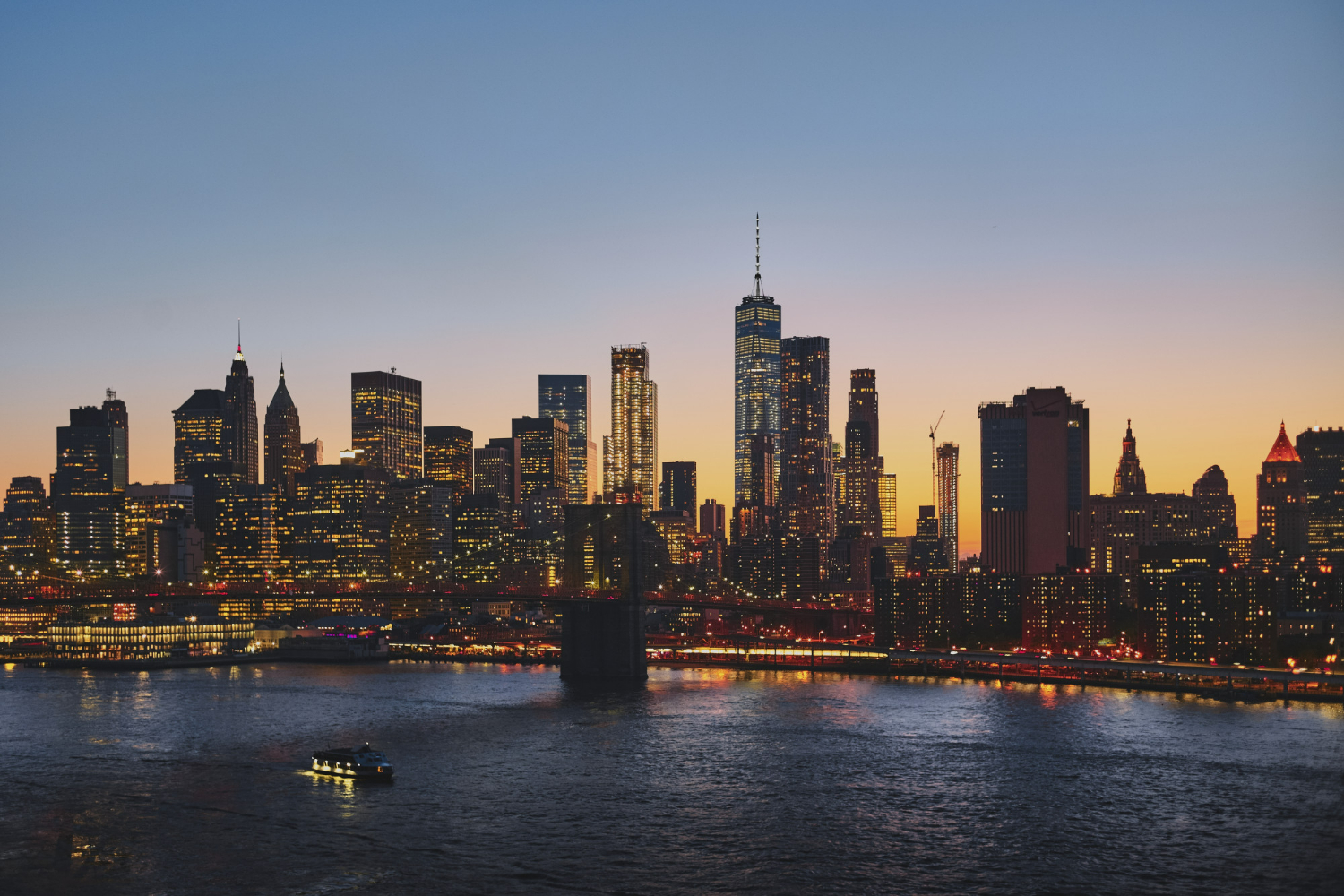

New York is a city where multiple cultures coexist, and each neighborhood has its own identity. From the incessant glitz of Times Square to the quiet corners of Central Park, the city comes alive on every corner. Every year, more than 50 million tourists visit its main attractions—such as the Statue of Liberty, the Empire State Building, and Broadway—drawn by the dynamism that only the Big Apple can offer.
But NY is much more than that: it is also a human and unpredictable experience where diversity takes shape on every avenue, in every community.
Multiculturalism to savor
One of the most fascinating aspects of New York is how the cultures of the world blend in its cuisine. Here, flavors from more than 160 languages and culinary traditions coexist—not only in luxury restaurants, but also in food trucks and street markets.
This diversity can be discovered both at significant culinary events and festivals and in smaller, more authentic neighborhood meals. The Queens Night Market, for example, is ideal for sampling cuisines from more than 80 countries under the park’s lights in summer.
In addition, the street scene and street vendors are part of the urban DNA. It is estimated that there are more than 20,000 street food stalls throughout the city, offering everything from classic hot dogs to viral offerings such as fried rice that sells out before the end of the day.
Discovering the flavors of the city firsthand
For those who want to savor the city as intensely as they explore its streets, one of the most interesting ways to do so is through a guided New York food tour—a gastronomic adventure on foot that combines history, culture, and local cuisine in iconic neighborhoods such as Chinatown, Little Italy, or Greenwich Village, venturing beyond the typical tourist spots and discovering hidden culinary treasures.
Current gastronomic trends
In addition to typical traditional dishes, New York is constantly reinventing itself:
- The Japanese food scene—especially omakase—is booming, with chefs offering exclusive and sophisticated culinary experiences.
- Small, family-run restaurants coexist with innovative and creative venues, such as bars that reinterpret local cocktails with regional ingredients.
- Classics such as pizza, bagels, and even the humble Jamaican patty have gone from being everyday food to cultural symbols reinvented and celebrated by locals and food influencers.
This contrast between tradition and avant-garde only serves to highlight why New York is considered a global culinary capital.
Beyond food: must-see activities
New York is as enjoyable for its major tourist attractions as it is for its everyday life. It has spaces such as Union Square Greenmarket, where local producers, chefs, and neighbors mingle over seasonal produce, reflecting the city’s changing rhythm.
Walking through neighborhoods like SoHo, Brooklyn Heights, and Harlem invites you to discover another side of New York: tree-lined streets, historic architecture, small galleries, independent cafes, and bookstores that invite you to linger without rushing.
The city also transforms with each season, defining the experience of those who visit it. In summer, the parks are filled with outdoor concerts and movies under the stars; in fall, the colors of Central Park and Riverside Park set the pace of daily life; in winter, cultural spaces, live jazz, and small bars take center stage; and in spring, there are terraces, markets, and spontaneous events on almost every corner.
No matter how many times you visit New York, the city always finds a way to offer something new, different, and authentic. That intersection between the everyday, the cultural, and the gastronomic is part of what makes the city never feel the same twice.

