

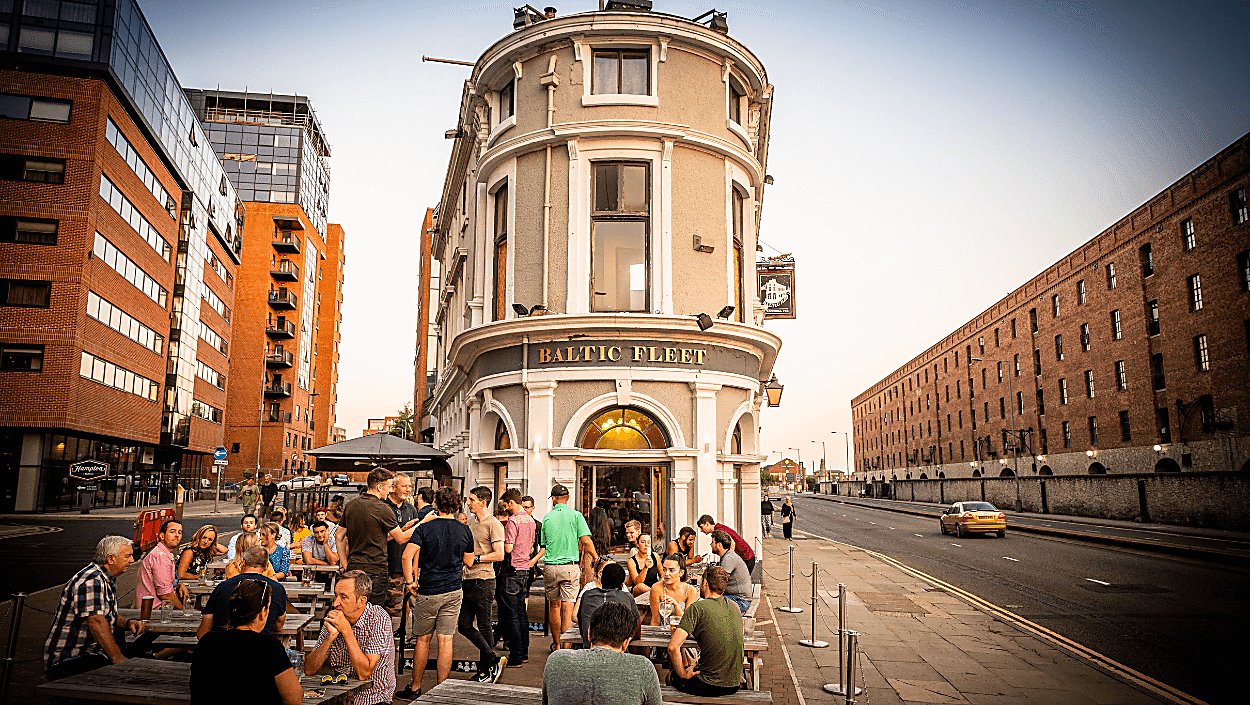

Britain’s hospitality sector is navigating intense operational churn in mid-2026. Official data from the NIQ/CGA Hospitality Market Monitor shows 1,839 venue closures in Q2 2026—equivalent to 20 closures per day—offset by 1,794 new openings. While net outlet numbers remain stable at 98,564 sites, independent restaurants and casual dining operators face severe pressure from National Living Wage increases, business rate revaluations, and input inflation.
Table of Contents
- UK Hospitality Market Overview: Q2 2026 Snapshot
- Key Drivers: Why Venue Churn Is Accelerating
- Sector Performance: Independent Dining vs. Urban Bars
- City-by-City Growth Highlights
- Key Takeaways
- Industry Expert Analysis
- Frequently Asked Questions
Britain’s dining and licensed hospitality sector is operating under conditions of rapid turnover. According to the latest CGA by NIQ Hospitality Market Monitor, the total number of licensed premises in Great Britain stood at 98,564 at the end of June 2026, marking a marginal 0.2% decline year-on-year.
However, total outlet numbers obscure significant underlying market activity. Between March and June 2026, 1,839 hospitality outlets closed their doors permanently—an average of 20 site closures per day. During the exact same period, entrepreneurs and investors launched 1,794 new venues, replacing almost all shuttered businesses and maintaining net stability.
Q2 2026 Hospitality Market Churn (NIQ / CGA Data)
┌─────────────────────────────────────────────────────────┐
│ Closures:  1,839 sites (~20 per day)                    │
│ Openings:  1,794 sites (~19.7 per day)                  │
│ Total Sites: 98,564 (Flat quarter-on-quarter, -0.2% YoY)│
└─────────────────────────────────────────────────────────┘
UK Hospitality Market Snapshot (Q2 2026)
| Metric | Figure / Rate | Primary Source |
| Total Licensed Venues | 98,564 outlets | CGA by NIQ Market Monitor |
| Q2 Total Closures | 1,839 venues (~20 per day) | CGA by NIQ Market Monitor |
| Q2 Total Openings | 1,794 venues (~19.7 per day) | CGA by NIQ Market Monitor |
| H1 Food Service Insolvencies | 1,602 companies | The Insolvency Service |
| Fastest Growing Cities | Liverpool (+4.0%), Brighton (+2.1%) | NIQ Regional Analytics |
Operational Pressures Driving Venue Closures
The sustained pace of closures across the UK is primarily driven by cumulative operational cost increases rather than a sudden collapse in customer demand. Data from Buchler Phillips indicates that 1,602 accommodation and food service businesses entered insolvency during the first six months of the year.
Key factors squeezing operator margins include:
- Labor Costs: The National Living Wage increased by 4.1% to £12.71 per hour on 1 April 2026, with the rate for workers aged 18–20 rising 8.5% to £10.85 per hour. UKHospitality estimates these statutory pay increases added £1.4 billion in annualized employment costs across the sector.
- Business Rates Revaluation: Commercial property revaluations implemented in April 2026 have significantly increased fixed overheads for high street properties, with trade bodies warning of compounded liability growth over the next three years.
- Input Inflation & Supply Chain: Sustained wholesale food and drink costs, alongside energy rate volatility driven by geopolitical tensions in the Middle East, continue to erode gross margins for independent operators.
Casual Dining Pressures vs. Bar Sector Growth
The impact of trading headwinds varies substantially across different hospitality categories. Casual dining restaurants and independent food-led sites have proven particularly vulnerable to margin compression. Insolvency filings in Q2 recorded high-profile restructuring events, including pre-pack sales and branch reductions for established brands like MeatLiquor and Leon.
Conversely, the bar sector has experienced strong churn paired with net expansion. Around one in nine bars operating in Great Britain launched within the past 12 months. During Q2 2026 alone, 191 new bar sites opened (15 per week), lifting the overall bar footprint 1.4% higher year-on-year and 3.1% above March 2020 pre-pandemic levels.
City Centre Resilience
Despite broader economic pressures, major UK city centers show net structural growth. Licensed premise numbers across central city districts increased by 0.4% over the past 12 months. Out of Britain’s 20 largest urban hospitality markets, 15 recorded flat or expanding venue counts. Liverpool led regional growth with a 4.0% expansion in licensed venues, closely followed by Brighton.
KEY TAKEAWAYS
- High Structural Churn: 1,839 UK venues closed in Q2 2026 (~20 per day), while 1,794 sites opened, holding total venue numbers flat at 98,564.
- Insolvency Volume: 1,602 food and accommodation firms went insolvent in H1 2026, slightly below H1 2025 levels but up 10.2% quarter-on-quarter in Q2.
- Bar Sector Expansion: The bar footprint grew 1.4% year-on-year, driven by 191 launches in Q2 alone.
- Cost Squeeze: National Living Wage increases (£12.71/hr) added £1.4bn in direct sector costs from April 2026.
- Urban Growth: City centre premises expanded by 0.4%, led by growth in Liverpool (+4.0%) and Brighton.
EXPERT INSIGHT
“A flat top-line outlet figure conceals significant instability beneath the surface of the UK hospitality sector. While high turnover reflects the persistent confidence of new entrepreneurs and investors launching concepts, closing 20 sites per day underlines the severe margin pressures faced by established independent operators. Without structural relief on business rates and employment taxes, maintaining this level of market stability through the second half of the year will remain challenging.”
— Karl Chessell, Director of Hospitality Operators and Food EMEA, NIQ
FREQUENTLY ASKED QUESTIONS
How many restaurants and hospitality venues closed in the UK in Q2 2026?
Official data from the CGA by NIQ Hospitality Market Monitor recorded 1,839 venue closures in Q2 2026, averaging roughly 20 closures per day across Great Britain.
Are overall UK hospitality venue numbers declining rapidly?
No. Total licensed venue numbers remained virtually flat in Q2 2026 at 98,564 sites (down just 0.2% year-on-year) because 1,794 new sites opened to replace closing businesses.
What is causing independent UK restaurants to close?
Primary drivers include cumulative wage increases (such as the April 2026 National Living Wage rise to £12.71/hr), business rate increases, energy price volatility, and reduced consumer discretionary spending.
Which hospitality sectors are performing best in 2026?
The bar sector has shown strong growth, expanding 1.4% year-on-year with 191 new site launches in Q2 2026. Licensed hotels and urban city centre venues have also demonstrated resilience.
Which UK cities are seeing the highest growth in new venues?
Liverpool (+4.0%) and Brighton recorded the highest growth rates in licensed hospitality venues among Britain’s top 20 city markets in mid-2026.
How many food service insolvency cases were recorded in H1 2026?
According to The Insolvency Service data analyzed by Buchler Phillips, 1,602 accommodation and food service companies registered for insolvency in the first six months of 2026.
How much did wage increases add to UK hospitality costs in 2026?
The UKHospitality trade association estimates that April 2026 increases to the National Living Wage added approximately £1.4 billion in direct operational costs to the industry.
What are industry bodies requesting from the UK Government?
UKHospitality is calling for structural business rates reform, including an increased property rate discount (up to 20p in the pound) to relieve high street operators from unsustainable property tax hikes.

