

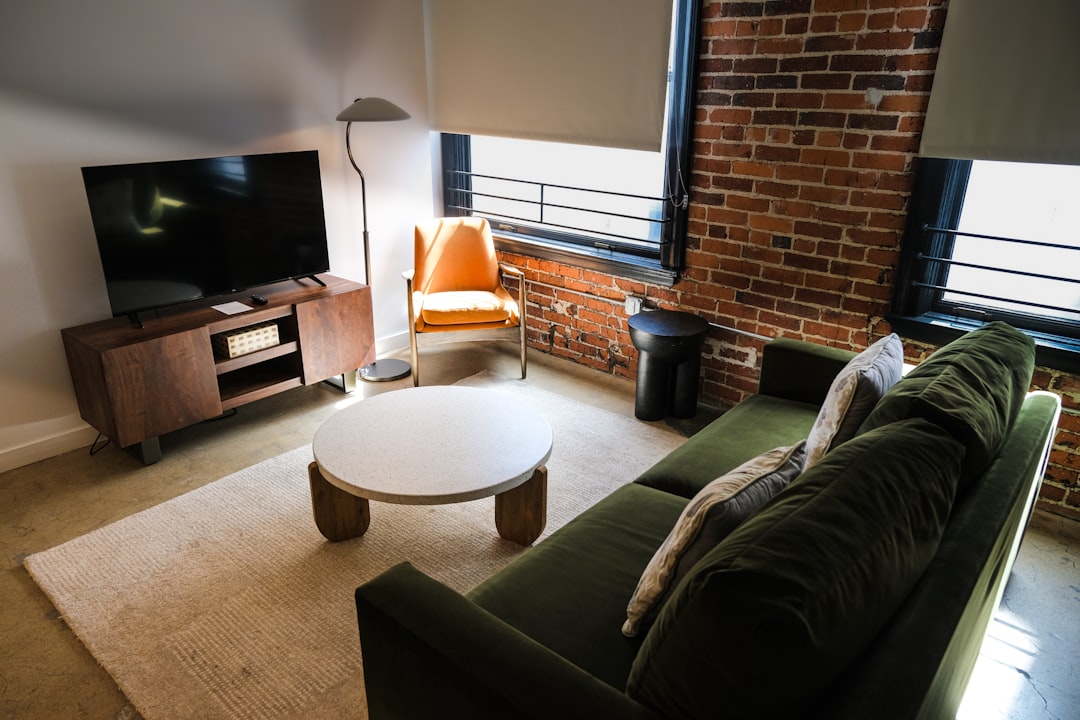

As people age, the environment they live in plays a crucial role in their overall well-being. A home that is safe, functional, and comfortable can enhance quality of life, foster independence, and reduce stress. Whether seniors live independently, with family, or in a care facility, creating spaces tailored to their needs is essential.
Understanding Senior Needs
Seniors have specific requirements when it comes to living spaces. Physical changes, such as reduced mobility, vision or hearing difficulties, and increased sensitivity to temperature, must be considered when designing a home. Cognitive changes may also affect memory, attention, and safety awareness, making a supportive environment vital. By understanding these unique needs, caregivers and family members can make thoughtful modifications that enhance comfort and independence.
Prioritising Safety
Safety is the foundation of a comfortable senior living space. Simple adjustments can significantly reduce the risk of falls or injuries. Installing grab bars in bathrooms, using non-slip mats, ensuring proper lighting in hallways, and arranging furniture to allow clear pathways are essential steps. Additionally, leveraging technology, such as emergency alert systems or motion-sensor lighting, can provide both seniors and their families peace of mind. Creating a safe environment is not just about avoiding accidents—it also helps seniors feel secure and confident in their surroundings.
Designing for Accessibility
Accessibility is another key factor in senior-friendly living spaces. Features such as wider doorways, step-free entrances, and lever-style door handles make daily tasks easier for those with mobility challenges. Kitchen and bathroom modifications, like lower countertops and accessible sinks, can help seniors maintain independence in their daily routines. Even simple adjustments, such as placing frequently used items within easy reach, can reduce strain and encourage autonomy.
Emphasising Comfort and Familiarity
Comfort goes beyond physical safety. Seniors benefit from spaces that are warm, inviting, and familiar. Soft, supportive furniture, adjustable lighting, and climate control can create a cosy and relaxing environment. Incorporating personal touches, such as family photos, treasured mementos, or favourite colours, helps seniors feel at home and emotionally connected to their surroundings. Familiarity can reduce anxiety and enhance overall happiness, making the space feel truly their own.
Encouraging Social Interaction
Living spaces should also support social engagement. Seniors who have opportunities to interact with family, friends, or fellow residents often experience improved mental and emotional well-being. Common areas, communal dining spaces, or cosy seating arrangements can encourage conversation and foster a sense of community. Even small design choices, like placing chairs in a circle or near a window, can make a difference in promoting connection and reducing feelings of isolation.
Integrating Nature and Outdoor Spaces
Access to outdoor areas or natural light has a profound effect on senior well-being. Gardens, balconies, or patios offer opportunities for fresh air, gentle exercise, and relaxation. Indoor spaces with large windows or skylights allow sunlight to enhance mood and maintain circadian rhythms. Plants, flowers, or small indoor gardens can also bring a sense of life and vitality to a living space, creating a more serene and uplifting environment.
Finding the Right Living Environment
For seniors who may need additional support, choosing the right care facility is an important decision. A well-designed care home provides not only safety and accessibility but also a nurturing and engaging environment. For families looking in the area, care home in Bristol offers thoughtfully designed spaces and compassionate care tailored to seniors’ needs. Such facilities can help seniors maintain independence while providing peace of mind for loved ones.
Conclusion
Creating comfortable living spaces for seniors involves a careful balance of safety, accessibility, and emotional well-being. By focusing on these areas, families and caregivers can support seniors in living fulfilling, independent lives while feeling secure and at home. Whether through thoughtful modifications at home or selecting a supportive care environment, the right living space can make all the difference in a senior’s quality of life.

