

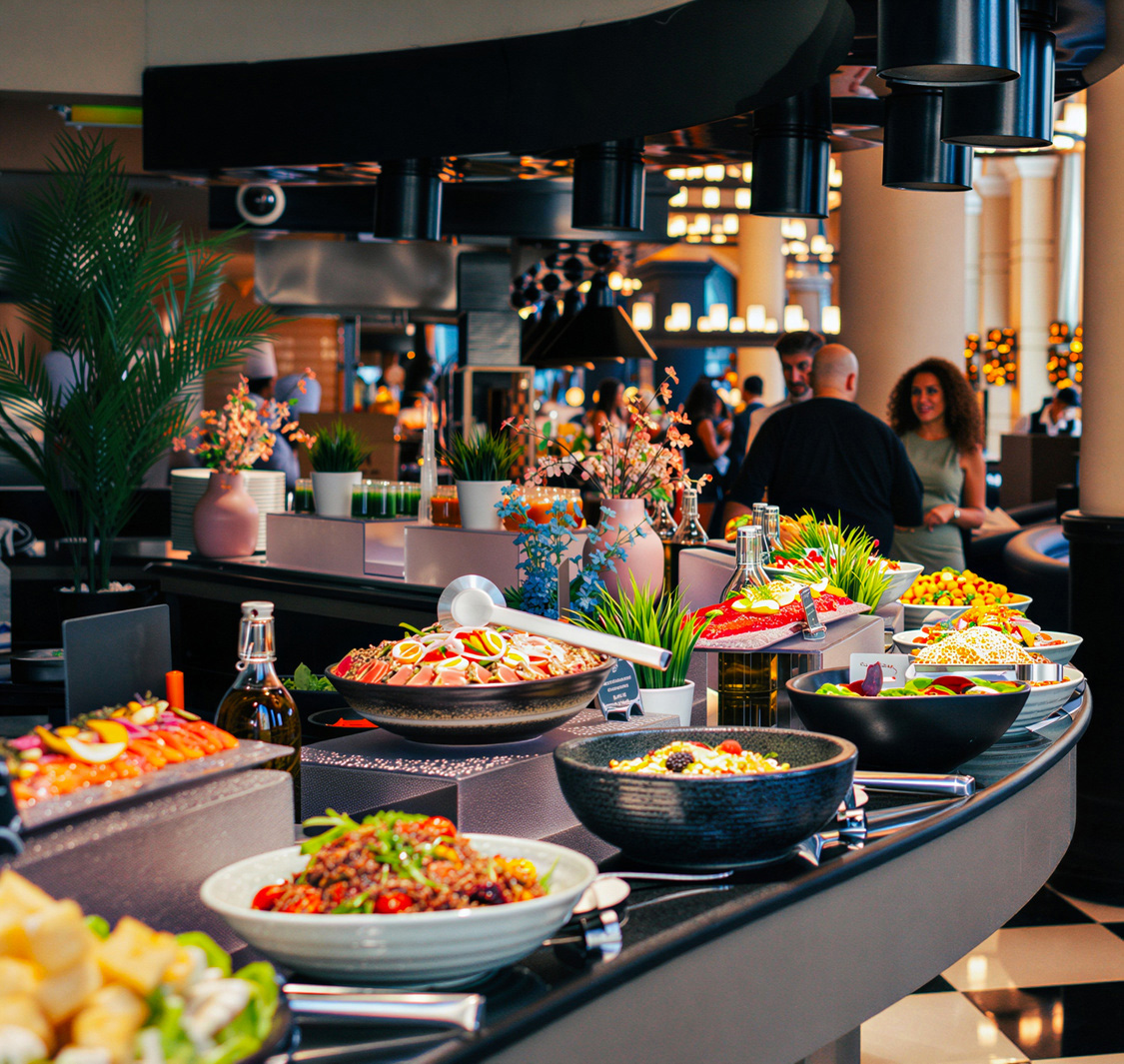

The UK dining out market is valued at £102.8 billion in 2026, driven by premium experiences and Quick Service Restaurants (QSR) despite broader economic pressures. Diners face an average spend of £18.35 per visit. Under the Employment (Allocation of Tips) Act, UK law strictly mandates that 100% of discretionary service charges and tips must go directly to staff with zero operator deductions.
The Landscape of British Dining in 2026
Dining out in the United Kingdom has undergone a structural transformation. Driven by shifts in household budgets, statutory wage updates, and statutory tipping reforms, eating out is no longer merely transactional-it has become a deliberate choice centred on value and experience.
According to Lumina Intelligence’s Market Sizing report, the total UK eating out market is set to reach £102.8 billion in 2026, growing at 1.8% year-on-year. While overall restaurant participation dropped to 53.3% in early 2026, average spend per visit rose to £18.35. British consumers are choosing to eat out slightly less frequently, but spending more when they do.
  UK Eating Out Market Growth Strategy (2025–2026)

  £101.0bn (2025) ───────────────────► £102.8bn (2026)
  │                                    │
  ├── Average Spend: ~£17.39/visit     ├── Average Spend: £18.35/visit (+5.5%)
  └── Growth: Footfall driven          └── Growth: Experience & Inflation driven
Essential Rules: Tipping, Service Charges, and UK Law
Navigating a British bill requires understanding statutory rights regarding gratuities and discretionary fees.
The 100% Tip Rule (Employment Allocation of Tips Act)
Under the Employment (Allocation of Tips) Act, it is illegal for UK hospitality operators or employers to retain any portion of tips, card gratuities, or discretionary service charges.
- 100% Pass-Through: Every penny of a service charge paid by a customer must be distributed to staff.
- No Administrative Deductions: Business owners cannot deduct credit card processing fees or administrative costs from the tip pool.
- Allocation Timeline: All tips must be paid out to workers no later than the end of the month following the month in which the customer paid.
Discretionary vs. Mandatory Service Charges
- Discretionary Service Charge (Usually 12.5%): Automatically added to restaurant bills in London and major cities. Diners hold the full legal right to request its removal for inadequate service prior to payment.
- Mandatory Charges: Must be explicitly displayed on the menu prior to ordering; otherwise, they cannot be legally enforced.
| Charge Type | Standard Amount | Mandatory or Optional? | Can It Be Deducted by Restaurant Owners? |
| Discretionary Service Charge | 12.5% (Up to 15% in fine dining) | Optional (Can request removal) | No (100% must go to staff) |
| Direct Cash Tip | 10% – 15% | Optional | No |
| Mandatory Group Service Fee | 10% – 12.5% (Groups of 6+) | Mandatory (If stated on menu) | No (Must be allocated to staff) |
Key Industry Economics and Cost Drivers
Restaurant operators face elevated supply-chain and employment expenses, which influence menu pricing across the nation.
┌────────────────────────────────────────────────────────────────────────┐
│                   MAIN DRIVERS OF UK MENU PRICES                       │
├───────────────────────────────────────┬────────────────────────────────┤
│ National Living Wage                  │ £12.71/hour (Statutory Rate)   │
├───────────────────────────────────────┼────────────────────────────────┤
│ Food & Drink Cost Inflation           │ 3.3% to 9.0% Projected         │
├───────────────────────────────────────┼────────────────────────────────┤
│ Discretionary Service Charge Pass-thru│ 100% directly to staff         │
└───────────────────────────────────────┴────────────────────────────────┘
- National Living Wage (NLW): The statutory minimum wage rate sits at £12.71 per hour, placing higher payroll demands on labor-intensive hospitality venues.
- Food Cost Pressures: Following sustained volatility in energy markets and global supply chains, food and drink inflation rates continue to impact restaurant gross margins.
- Property & Rates Reform: Changes to commercial property rateable values mean businesses rely heavily on optimized menu engineering to maintain stability.
Regional Dining Hotspots Across the UK
- London: Leads global culinary innovation but carries the highest average cover prices (£35–£85+ per person for casual-to-premium dining).
- Manchester & Leeds: Prime hubs for independent dining, micro-breweries, and street-food concepts, offering premium quality at accessible price points.
- Edinburgh & Glasgow: Centers for Scottish produce, sustainable seafood, and distillery-focused gastronomic pairings.
- Birmingham: Renowned for its heritage in Asian cuisine, vibrant street food markets, and Michelin-starred dining establishments.
Food Safety, Ratings, and Dietary Needs
Food Hygiene Rating Scheme (FHRS)
Operated by the Food Standards Agency (FSA) in partnership with local authorities, scores range from 0 (Urgent Improvement Necessary) to 5 (Very Good). In Wales and Northern Ireland, displaying the physical green sticker is mandatory by law; in England, it remains voluntary, though ratings are fully searchable online.
Allergen Regulations (Natasha’s Law)
UK establishments must clearly identify the 14 major allergens (including nuts, gluten, dairy, and celery) across pre-packed and freshly prepared dishes. Staff are legally required to provide accurate allergen information upon verbal request.
Key Takeaways
- Market Scale: The UK eating out sector is a £102.8 billion industry, with growth anchored in premium casual dining and quick-service concepts.
- Fair Tipping Laws: Discretionary service charges belong entirely to front-of-house and kitchen teams by law.
- Hygiene Verification: Always check the FSA score before booking—aim for a rating of 4 or 5.
- Value Perception: High quality, provenance, and memorable experiences drive British dining decisions over sheer meal frequency.
Expert Insight
“British consumers have become noticeably more deliberate in how they spend their dining budgets. Rather than going out three times a week for quick meals, diners prefer to save their spend for high-quality, memorable occasions. Operators who provide genuine hospitality, full pricing transparency, and uncompromising food provenance are winning in this environment.”
— Food Future Editorial Team
FREQUENTLY ASKED QUESTIONS
Is service charge mandatory in UK restaurants?
No. Discretionary service charges (typically 12.5%) are optional. If the service was unsatisfactory, you have the legal right to ask for the charge to be removed from the bill prior to payment.
Do restaurant staff actually get the 12.5% service charge?
Yes. Under the Employment (Allocation of Tips) Act, operators are legally mandated to pass 100% of all tips, gratuities, and discretionary service charges to staff without any employer deductions.
What is the average price of a meal out in the UK?
As of 2026, the overall average spend per eating-out visit across all formats (including QSR, pubs, and restaurants) stands at £18.35. Casual dining sit-down meals average between £25 and £45 per person.
How do I check if a UK restaurant is clean and safe?
You can search the official Food Standards Agency (FSA) database or look for the green Food Hygiene Rating sticker (rated 0 to 5) at the venue’s entrance.
Are restaurants required to provide allergen information in the UK?
Yes. UK food law dictates that businesses must clearly inform customers about any of the 14 major allergens present in their menu items.
Is tipping in cash better than tipping by card in the UK?
Both methods are now protected by law. Card tips and service charges must be distributed fully to staff, though direct cash tips handed to your server ensure immediate access without going through a corporate payroll process.
Why are menu prices increasing across UK restaurants?
Menu prices reflect operational cost shifts, including statutory wage increases (National Living Wage at £12.71/hr), food input inflation, and property rates adjustments.
Can I book a table without paying a deposit?
While many casual spots accept walk-ins or standard reservations, mid-to-high-end UK restaurants increasingly require a deposit (£10–£25 per head) or credit card hold to mitigate non-arrivals.

