

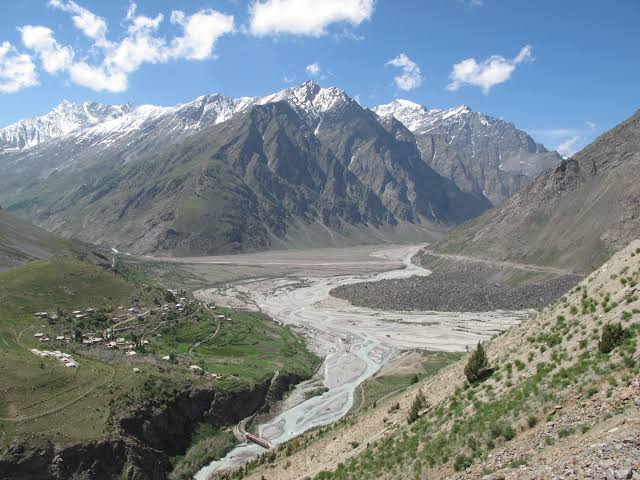

A sudden and devastating mountain disaster has struck north-central Nepal. On Wednesday, 26 August 2026, a massive glacier collapse—registering a force equivalent to a 5.2-magnitude earthquake—sent millions of tonnes of ice, mud, and rock plunging into high-altitude river tributaries. The resulting surge swelled river corridors by up to 9 metres (29.5 feet) in under 30 minutes, wiping out entire villages, destroying vital transport networks, and causing severe destruction across the Rasuwa, Nuwakot, and Dhading districts.
While emergency search-and-rescue teams race against rising monsoon waters, the disaster is sending shockwaves through global agricultural networks. The affected valleys represent major hubs for high-altitude farming, commercial hydropower, and international trade corridors linking Nepal, Tibet, and Western markets. For the UK food, beverage, and hospitality sectors, the event underscores the compounding vulnerabilities of climate change on high-value niche imports such as Himalayan black cardamom, specialty teas, and medicinal herbs.
Chronology of the Disaster: What Caused the Bhote Koshi Surge?
Preliminary investigations by geoscientists at the International Centre for Integrated Mountain Development (ICIMOD) and the University of Graz indicate that a massive portion of a lower glacier detached in the high Himalayas. The plunging mass entered the Lhende Khola, a primary tributary of the Bhote Koshi River.
[26 Aug, 06:00 NPT] Glacier Section Collapse (Mag 5.2 equivalent force)
       │
       ▼
[26 Aug, 06:15 NPT] Debris & Ice Damming in Upper Lhende Khola Valley
       │
       ▼
[26 Aug, 06:40 NPT] Dam Breach Triggering 9m (29.5ft) Flash Surge Down Bhote Koshi
       │
       ▼
[27-28 Aug 2026] Flooding Spreads to Rasuwa, Nuwakot & Dhading; Infrastructure Offline
Scientists report that the sudden accumulation of ice and sediment temporarily blocked the river channel. When the impounded water burst through the natural debris dam, it picked up loose boulders and mud, downstream momentum multiplying into a devastating wall of water.
| Key Disaster Metric | Reported Figure / Detail | Official Source |
| Confirmed Mortality | 360+ deaths (including at least 14 children) | Project HOPE / UNICEF |
| Missing Persons | 1,400+ people unaccounted for | Project HOPE |
| Seismic Energy Equivalent | 5.2 Magnitude event | U.S. Geological Survey (USGS) |
| Water Level Surge | Up to +9 metres (+29.5 ft) in 30 minutes | ICIMOD Research |
| Power Sector Impact | ~10% of Nepal’s total generation capacity offline | University of Graz Assessment |
| International Appeal | $17.2 Million (£13.0M) Emergency Request | UNICEF |
Humanitarian Impact and International Aid Mobilisation
The human cost in the north-central river valleys is staggering. UNICEF reports that at least 18 schools have been completely destroyed, four regional medical centers rendered unusable, and thousands of children displaced without basic sanitation or shelter. Monsoon cloud cover continues to hamper satellite mapping and aerial reconnaissance, making real-time damage assessments challenging.
Emergency aid agencies, including Project HOPE and UNICEF, have pre-positioned medical tents, hygiene supplies, and ready-to-use therapeutic food (RUTF) at Tribhuvan International Airport in Kathmandu for onward dispatch.
The Nepalese Ministry of Foreign Affairs has established a central Emergency Response Team (ERT) to coordinate aid and track foreign nationals. While foreign search-and-rescue units were initially declined due to logistical bottlenecks in narrow river valleys, the Nepal government is accepting direct financial contributions for long-term reconstruction.
Implications for the UK Food, Beverage, and Hospitality Sectors
While primary UK staple grains and dairy are sourced domestically or from European partners, Nepal holds critical micro-positions in specialist global supply chains:
- Large Cardamom (Amomum subulatum): Nepal is the world’s largest exporter of large black cardamom, producing over 55% of the global supply. The flooding in eastern and central mountain corridors has destroyed hill terraces, damaged drying kilns (bhattis), and washed out access roads to key processing centers. UK artisan spice blenders and Indian-style food manufacturers face impending supply delays and price inflation over the coming 6–12 months.
- Specialty Orthodox Teas: High-altitude tea estates in adjacent districts rely on the damaged transit routes through Bagmati province. Freight disruptions could cause spot-price spikes for single-origin specialty teas served in UK premium food-service venues.
- Wild-Harvested Herbs & Botanicals: The affected high-altitude regions produce niche medicinal plants and botanicals used by UK craft beverage distillers (such as specialty gin makers) and botanical supplement brands.
FCDO Travel Advice and UK Foreign Office Response
The UK Foreign, Commonwealth & Development Office (FCDO) updated its travel advisory for Nepal on 28 August 2026.
FCDO Travel Warning: “On 26 August 2026, major flooding in Rasuwa district and the Nepal-China border area caused widespread damage to transport, energy, and communications infrastructure. British nationals traveling in affected districts must follow instructions from Nepalese emergency services. If you require urgent British consular assistance from within Nepal, call +977 (0)1 423 7100; from the UK, call +44 (0) 207 008 5000.”
The Nepal Immigration Department has confirmed that foreign visitors stranded by transport cancellations whose visas expire during this period will receive no-cost extensions directly at airport departure desks.
Climate Risk in the Himalayas: The New Supply Chain Reality
Dr. Jakob Steiner, a geoscientist at the University of Graz, warned that extreme events in warming mountain regions are becoming systemic risks.
“What happened on Wednesday is unfortunately the new normal,” Dr. Steiner observed. “As glaciers retreat, exposed mountain bedrock faces intense freeze-thaw cycles, triggering complex cascading hazards—from ice avalanches to river blockages and sudden, catastrophic floods.”
With roughly 10% of Nepal’s hydroelectric capacity concentrated in the affected valley network, the power grid collapse will hamper domestic food processing, cold-storage operations, and agricultural packaging plants for months. UK food businesses importing goods from South Asia are urged to review supply chain vulnerability assessments, diversify procurement routes, and audit high-altitude suppliers for climate resilience.
Key Takeaways
- The Event: A magnitude 5.2 glacier collapse on 26 August 2026 triggered massive flash flooding along the Lhende Khola and Bhote Koshi rivers in Nepal.
- Casualties: Over 360 confirmed dead and more than 1,400 missing across Rasuwa, Nuwakot, and Dhading districts.
- Food Industry Impact: Destroys infrastructure for niche high-value UK imports, particularly black cardamom, specialty teas, and craft gin botanicals.
- Hydroelectric Loss: Damaged plants account for ~10% of Nepal’s national electricity output, threatening local cold-storage and processing operations.
- Official UK Advice: FCDO has issued travel warnings for north-central Nepal, providing dedicated emergency consular hotlines.
Expert Insight
“The events in Nepal demonstrate that high-altitude climate events do not remain localized. When flash floods sweep through mountain farming valleys, they destroy years of agricultural terrace engineering and vital drying facilities. For the UK food sector, this reinforces that climate adaptation isn’t just about domestic weather—it requires protecting vulnerable global ingredient networks.”
— Editorial Commentary, Food Future UK
Frequently Asked Questions
What caused the August 2026 Nepal flash floods?
A large section of a mountain glacier collapsed on 26 August 2026, generating seismic energy equal to a 5.2-magnitude earthquake. The falling debris created a temporary dam in the Lhende Khola river, which subsequently burst and sent a massive water and mud surge down the Bhote Koshi valley.
How many casualties have been reported in Nepal?
As of 28 August 2026, humanitarian agencies report more than 360 confirmed fatalities and over 1,400 people missing, with search and rescue operations ongoing.
Which regions of Nepal are most severely affected?
The north-central districts of Rasuwa, Nuwakot, and Dhading, as well as border zones connecting Nepal with China’s Tibet Autonomous Region, suffered the most severe structural damage.
Will the Nepal flash floods affect UK food prices?
While major consumer staples in the UK will not be affected, high-value specialty imports—specifically large black cardamom, specialty high-altitude teas, and botanical herbs used in distilling—may experience supply shortages and price increases due to damaged transport routes.
What is the official UK Government advice for travel to Nepal?
The FCDO advises extreme caution in north-central Nepal, urging travelers to monitor local emergency updates, stay away from active river corridors, and contact the British Embassy in Kathmandu if emergency assistance is required.
How is international aid being coordinated?
The Nepalese government established a dedicated Emergency Response Team (ERT) under the Foreign Ministry. International organisations such as UNICEF and Project HOPE are distributing pre-positioned emergency kits, health supplies, and therapeutic food.
How does glacier loss affect long-term food security in South Asia?
Glacier retreat destabilises mountain slopes and creates unpredictable water flow patterns—ranging from catastrophic flash flooding during monsoon seasons to severe water scarcity in dry months—disrupting irrigation and crop yields for millions.
Can stranded UK tourists extend their Nepalese visas?
Yes. The Nepal Immigration Department confirmed that foreign nationals stranded by flight and transport cancellations caused by the flood will receive fee-waived visa extensions directly at the airport upon departure.

