

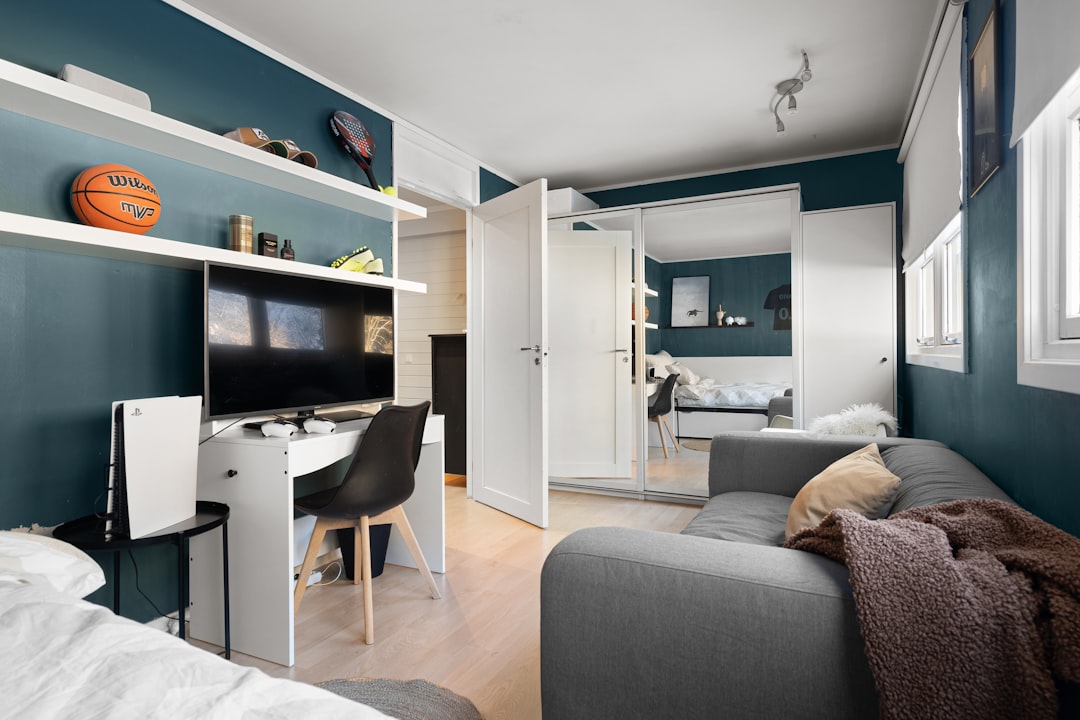

Providing an engaging, fulfilling, and comfortable daily life is at the heart of modern residential care. Moving into a care home can be a significant adjustment for seniors, and ensuring that each day offers enrichment, purpose, and joy is essential for their overall wellbeing. By focusing on personalised activities, meaningful social connections, and comfortable surroundings, care homes can transform daily life into a positive and stimulating experience.
Personalising Daily Life
Every resident has unique interests, preferences, and routines, and tailoring care to reflect these individualities is crucial. Personalising daily life can range from selecting favourite meals and snacks to planning activities that align with hobbies and past experiences. By understanding each resident’s history and passions, care staff can design programs that are engaging and meaningful. This approach not only boosts mood and satisfaction but also helps residents maintain a sense of identity and autonomy.
In Bournemouth care homes, for example, staff prioritise knowing residents on a personal level. From favourite pastimes to preferred social routines, these insights inform daily schedules, creating an environment where each individual feels seen, valued, and understood.
Encouraging Social Connections
Social interaction is a cornerstone of enriching everyday experiences in residential care. Loneliness and isolation can have profound effects on both physical and mental health, so creating opportunities for connection is vital. Structured group activities, communal dining, and social clubs allow residents to forge friendships and share experiences. Even small, everyday interactions, such as a chat over morning tea or a stroll in the garden, contribute significantly to a resident’s sense of belonging.
Care homes also often encourage intergenerational programs, inviting children or local volunteers to participate in activities. These initiatives add variety, stimulate conversation, and foster a dynamic, inclusive community.
Activity Programs That Inspire
A well-rounded activity program is central to keeping residents engaged and motivated. Activities can range from arts and crafts, music therapy, and gardening to fitness classes and memory exercises. Creative pursuits stimulate cognitive function, while physical activities support mobility and overall health. Tailored activities that consider individual capabilities ensure that every resident can participate meaningfully and enjoyably.
Special events, seasonal celebrations, and themed days also inject excitement into daily routines. These experiences give residents something to look forward to and can serve as a shared point of enjoyment, strengthening community bonds within the care home.
Comfort and Familiarity
Creating a home-like environment is another key factor in enriching daily life. Comfortable, familiar surroundings help residents feel secure and reduce anxiety. Personalising rooms with cherished items, photographs, and mementos allows residents to maintain a connection to their past and provides comfort in new surroundings. Similarly, communal spaces designed for relaxation, socialising, and hobbies encourage residents to spend time together in pleasant and inviting settings.
Supporting Emotional Wellbeing
Enrichment goes beyond activities and surroundings—it also includes emotional support. Care staff play a critical role in observing moods, offering encouragement, and providing reassurance when needed. Simple gestures, like celebrating birthdays or acknowledging personal achievements, can make a significant difference to a resident’s day. Emotional wellbeing is nurtured through consistency, empathy, and the creation of an environment where residents feel safe, understood, and valued.
Conclusion
Enriching the everyday experience in residential care is about more than just meeting basic needs—it’s about creating days that are engaging, meaningful, and joyful. By personalising daily life, fostering social connections, offering stimulating activities, and providing comfortable and supportive surroundings, care homes can enhance the quality of life for their residents.

