

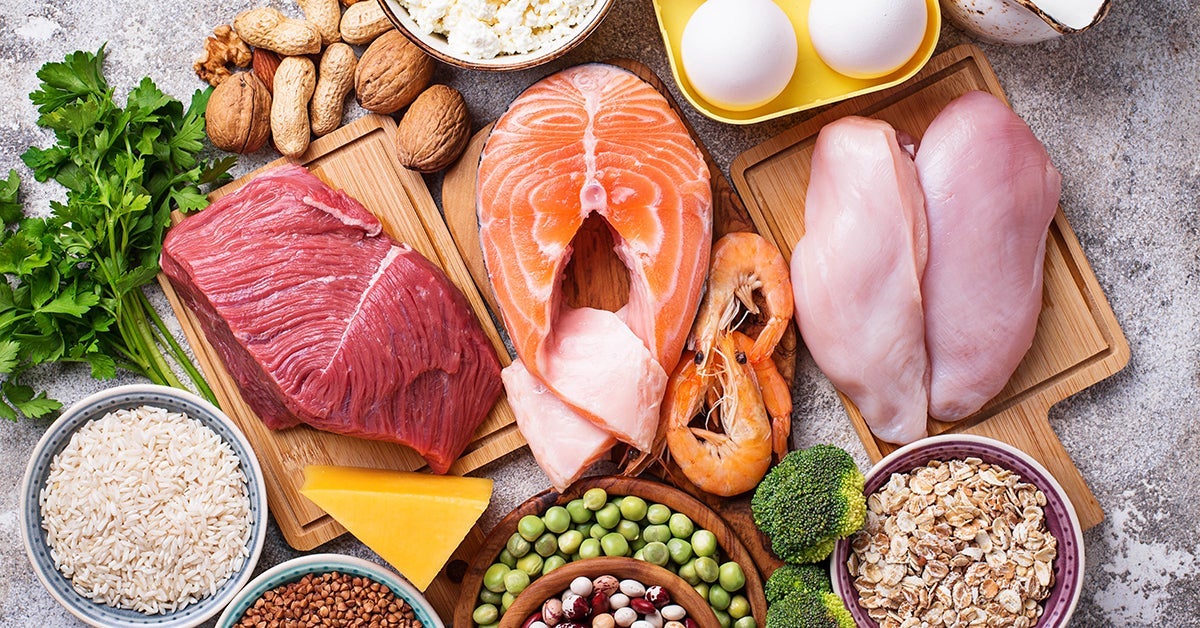

Protein has become one of the biggest food trends in UK supermarkets, with shoppers increasingly looking beyond traditional sports-nutrition products and towards everyday foods such as eggs, chicken, fish, yoghurt, cottage cheese, beans and lentils.
Supermarkets are responding. Sainsbury’s has launched a dedicated high-protein range, Aldi has expanded its protein-focused products, Lidl maintains a dedicated high-protein range, Tesco stocks high-protein products across multiple grocery categories and Waitrose has now introduced dedicated wellbeing bays covering protein and other health-focused products.
But does a product labelled “high protein” automatically make it a healthy choice?
Not necessarily.
The best high-protein foods for a weekly shop are often ordinary foods that provide protein alongside other useful nutrients. This guide looks at the strongest options available in UK supermarkets and explains what shoppers should look for on the label.
Table of Contents
- What counts as a high-protein food?
- How much protein do UK adults need?
- The best high-protein foods in UK supermarkets
- Chicken and turkey
- Fish and seafood
- Eggs
- Greek yoghurt and Skyr
- Cottage cheese and quark
- Milk
- Lentils, beans and chickpeas
- Tofu, soya and edamame
- Quorn and other meat alternatives
- Nuts and seeds
- High-protein supermarket products
- What UK supermarkets are doing
- Are high-protein foods automatically healthy?
- How to choose high-protein foods on a budget
- Plant protein versus animal protein
- What to look for on food labels
- Key takeaways
- Conclusion
What counts as a high-protein food?
There is an important difference between an ordinary food that contains a useful amount of protein and a food that is legally described as “high protein” on its packaging.
Under UK nutrition-claim rules, a food can make a “high protein” claim when at least 20% of its energy comes from protein. A “source of protein” claim requires at least 12% of energy to come from protein.
That means shoppers should not assume that every product containing protein qualifies as a high-protein food under UK labelling rules.
For everyday shopping, however, the more useful question is often simpler:
How much protein does this food provide, and what else comes with it?
A food providing protein alongside fibre, vitamins, minerals and relatively little saturated fat or salt may be a more useful everyday choice than a highly processed product that has been formulated primarily to increase its protein content.
How much protein do UK adults need?
UK dietary reference values give an adult protein Reference Nutrient Intake of 0.75g per kilogram of body weight per day.
For example, that equates to approximately:
| Body weight | Protein RNI |
|---|---|
| 50kg | 37.5g |
| 60kg | 45g |
| 70kg | 52.5g |
| 80kg | 60g |
| 90kg | 67.5g |
| 100kg | 75g |
These figures are calculated from the UK adult RNI of 0.75g/kg/day.
They should not be confused with higher protein targets sometimes promoted for bodybuilding, intensive training or specific clinical circumstances.
Individual requirements can vary depending on age, health, physical activity and other circumstances.
The Best High-Protein Foods in UK Supermarkets
There is no single food that is “best” for everyone.
A useful supermarket list should include foods that combine meaningful protein with practicality, nutritional value, availability and variety.
The strongest everyday options include:
| Food | Typical reason to choose it |
|---|---|
| Chicken breast | High-protein, versatile lean meat |
| Turkey | Lean poultry option |
| Salmon | Protein plus oily-fish nutrients |
| Tuna | Convenient concentrated protein |
| White fish | Protein-rich and generally lean |
| Eggs | Versatile and widely available |
| Greek yoghurt | Convenient dairy protein |
| Skyr | Protein-rich cultured dairy |
| Cottage cheese | Protein-rich dairy with strong recent UK demand |
| Quark | High-protein dairy option |
| Milk | Affordable everyday protein |
| Lentils | Protein plus fibre |
| Chickpeas | Plant protein plus fibre |
| Beans | Affordable protein plus fibre |
| Edamame | Soya-based plant protein |
| Tofu | Versatile plant protein |
| Quorn | Established UK meat alternative |
| Nuts and seeds | Protein plus predominantly unsaturated fats |
The exact nutritional values vary between products, brands and serving sizes, so shoppers should always check the packaging.
1. Chicken and Turkey
Chicken breast is one of the simplest high-protein choices in a UK supermarket.
It can be used in:
- salads
- sandwiches
- wraps
- stir-fries
- pasta dishes
- curries
- rice bowls
- meal-prep dishes
Ocado reported that searches for chicken breast increased by 43% year on year, while sales increased by 20%, in its March 2025 analysis of protein demand.
Turkey can also provide a lean poultry alternative.
What to check
Fresh chicken breast can be a straightforward protein choice, but processed poultry products can contain significantly different amounts of salt, fat and other ingredients.
Compare the nutrition panel rather than assuming every chicken product is nutritionally equivalent.
2. Fish and Seafood
Fish is another major supermarket source of protein.
Useful options include:
- salmon
- tuna
- cod
- haddock
- pollock
- prawns
- other white fish
Ocado reported year-on-year search growth of 35% for tuna and 39% for steak in its 2025 analysis.
Salmon has an additional advantage because oily fish provides omega-3 fatty acids.
The NHS recommends eating at least two portions of fish a week, including one portion of oily fish.
Good supermarket choices
For a convenient high-protein meal, shoppers can combine:
fish + vegetables + potatoes or wholegrains
rather than relying on heavily processed protein products.
3. Eggs
Eggs remain one of the most versatile protein foods in British supermarkets.
They can be used for:
- breakfast
- sandwiches
- salads
- omelettes
- frittatas
- baking
- quick evening meals
A medium egg provides approximately 7g of protein, according to NHS dietetic guidance.
Eggs also provide several micronutrients, making them more than simply a protein source.
Why eggs work well
They are:
- easy to cook
- widely available
- versatile
- suitable for vegetarian diets
- useful at breakfast or as part of a main meal
4. Greek Yoghurt and Skyr
The chilled dairy aisle has become one of the most important parts of the supermarket protein market.
Greek yoghurt and Skyr are particularly useful because they can provide substantial protein without requiring meat.
Ocado reported that searches for Greek yoghurt increased by 56% year on year in its March 2025 protein-demand analysis.
UK supermarkets now sell a wide range of:
- Greek yoghurt
- Skyr
- high-protein yoghurt
- strained yoghurt
- protein puddings
- yoghurt drinks
What to check
Flavoured yoghurt products can contain added sugars, so check:
- protein
- sugars
- saturated fat
- calories
- serving size
A plain yoghurt can also be combined with fruit, oats, nuts or seeds.
5. Cottage Cheese and Quark
Cottage cheese has become one of the clearest examples of protein moving from a niche food into mainstream UK shopping.
AHDB reported that cottage cheese value sales increased 26.2% and volume increased 29.4% over the 52 weeks ending 22 March 2025.
AHDB subsequently reported that cottage cheese remained a key driver of growth in the “other cow cheese” category in 2026.
This has coincided with increased consumer interest in high-protein and less heavily processed foods.
Cottage cheese can be eaten:
- on toast
- with fruit
- in salads
- alongside eggs
- in pasta dishes
- in dips
- as part of breakfast
Quark is another useful dairy option and is widely available in UK supermarkets.
Important point
Cottage cheese is not automatically healthier than every other cheese simply because it contains protein. Salt and overall nutritional composition still matter.
6. Milk
Milk is sometimes overlooked when people talk about protein.
A 200ml serving provides approximately 7g of protein, according to NHS dietetic guidance.
Milk can therefore contribute useful protein to:
- porridge
- cereal
- smoothies
- tea and coffee
- sauces
- breakfasts
For shoppers who already consume dairy, milk can be an easy way to increase protein without purchasing specialist protein products.
Plant-based drinks can also contribute protein, but the amount varies considerably between products.
Soya drinks generally provide more protein than many other plant-based alternatives, although shoppers should check the label.
7. Lentils
Lentils are one of the most useful plant-based protein foods available in UK supermarkets.
They are also a source of fibre.
They can be added to:
- soups
- curries
- stews
- salads
- pasta sauces
- dhal
- grain bowls
Ocado reported an 18% year-on-year increase in searches for lentils in its March 2025 analysis.
Why lentils deserve a place in the shopping basket
They offer a combination of:
- plant protein
- fibre
- versatility
- relatively low cost
- long shelf life
For shoppers trying to reduce their meat intake, lentils can be an especially useful staple.
8. Chickpeas and Beans
Chickpeas and beans are another inexpensive way of adding plant protein.
Examples include:
- chickpeas
- kidney beans
- cannellini beans
- black beans
- butter beans
- baked beans
NHS dietetic guidance gives approximately 8g of protein for half a can of chickpeas, around 9g for half a can of kidney beans, and around 10g for half a can of baked beans, although values vary by product.
Ocado reported that searches for chickpeas increased 27% year on year in its 2025 analysis.
A useful combination
Beans or chickpeas can be combined with:
- wholegrains
- vegetables
- eggs
- dairy
- tofu
to create filling meals with both protein and fibre.
9. Tofu, Soya and Edamame
Soya foods provide some of the most useful plant-based protein options in supermarkets.
These include:
- tofu
- edamame
- soya milk
- soya yoghurt
- textured soya products
Edamame searches on Ocado increased 44% year on year in the retailer’s March 2025 analysis.
Tofu is particularly versatile.
It can be:
- stir-fried
- baked
- grilled
- added to curries
- used in noodle dishes
- incorporated into salads
Why soya matters
Recent research comparing plant and animal proteins does not support a simple conclusion that one category is universally superior.
Outcomes depend on the protein source, amount consumed, population and health outcome being measured.
10. Quorn and Other Meat Alternatives
The Quorn and other meat-free products can make it easier for people to increase protein while reducing meat consumption.
Quorn products are made using mycoprotein and are widely available in UK supermarkets.
Depending on the product, shoppers can find:
- mince
- pieces
- fillets
- sausages
- burgers
- ready meals
NHS dietetic guidance lists Quorn among useful protein sources.
However, different meat alternatives have very different nutritional profiles.
Check:
- protein
- salt
- saturated fat
- calories
- fibre
- ingredient list
rather than judging a product solely by whether it is labelled vegetarian, vegan or high protein.
11. Nuts and Seeds
Nuts and seeds can contribute protein while also providing predominantly unsaturated fats.
Useful options include:
- peanuts
- almonds
- walnuts
- pumpkin seeds
- sunflower seeds
- chia seeds
- hemp seeds
They work particularly well in:
- porridge
- yoghurt
- salads
- smoothies
- overnight oats
However, nuts and seeds are relatively energy-dense, so portion size matters if calorie intake is also a consideration.
What Are UK Supermarkets Doing About the Protein Trend?
The growth of protein-focused shopping is now visible across the UK’s major supermarkets.
Sainsbury’s launches a dedicated high-protein range
Sainsbury’s launched a new high-protein range covering ready meals, food-to-go, breakfast, bakery and dairy.
The retailer said searches for “high protein” on its website had increased 57% year on year, while searches for “high protein ready meals” had increased 300%.
Its new range contains 19 high-protein products.
Sainsbury’s said six new ready meals contain at least 31g of protein per serving, with examples including High Protein Pesto Chicken Tortiglioni at 35g and High Protein Beef Bolognese Tagliatelle at 33g.
The retailer also introduced high-protein wraps, salads, sandwiches, porridge pots, yoghurt and other products.
This illustrates an important change: protein is no longer restricted to specialist sports nutrition.
Aldi expands protein-focused convenience foods
Aldi has also expanded its protein range.
Its 2026 launches have included Protein Balls and high-protein egg bites.
The egg bites launched in flavours including:
- Spinach & Red Pepper
- Cheese & Bacon
- Chicken & Leek
The products demonstrate how supermarket protein ranges are increasingly targeting convenience and breakfast occasions rather than only gym users.
Lidl has a dedicated High Protein range
Lidl’s UK range includes products such as:
- high-protein puddings
- high-protein mousse
- high-protein coffee drinks
- high-protein yoghurt
- Skyr products
This shows that protein-focused dairy has become an established supermarket category rather than a temporary trend.
Tesco covers multiple grocery categories
Tesco’s online grocery range includes high-protein products across:
- dairy
- drinks
- bakery
- cereals
- ready meals
- wraps
- snacks
- noodles
- yoghurts
For consumers, that means it is increasingly possible to build a high-protein shopping basket without relying on specialist health-food stores.
Waitrose brings protein into dedicated wellbeing bays
One of the newest developments came on 3 September 2026, when Waitrose announced dedicated Wellbeing Bays across 52 shops.
The bays bring together products covering:
- protein
- hydration
- gut health
- collagen
- creatine
Waitrose reported that searches for “high protein” on Waitrose.com had increased 93% over the previous year, alongside large increases for other wellbeing-related terms.
The development shows how products traditionally associated with gyms, supplements and specialist retailers are moving further into mainstream grocery retail.
Is High Protein Automatically Healthy?
No.
This is one of the most important points for shoppers.
A product can contain a large amount of protein and still be high in:
- saturated fat
- salt
- sugar
- calories
Protein content should therefore be considered alongside the rest of the nutrition label.
For example, a plain Greek yoghurt, eggs, lentils or fish may provide a different overall nutritional profile from a highly processed protein dessert or snack.
The same principle applies to meat.
The NHS advises people to avoid eating too much red and processed meat and recommends reducing average consumption to 70g per day for people who currently eat more than 90g of red and processed meat daily.
Protein should therefore be viewed as one part of a balanced diet rather than a reason to consume unlimited meat or processed products.
What Is the Healthiest Way to Increase Protein?
For most shoppers, the simplest approach is to distribute protein-containing foods across meals.
A practical day could include:
Breakfast
Eggs with wholemeal toast, or Greek yoghurt with oats and fruit.
Lunch
Chicken, tuna, egg, bean or lentil-based salad or wrap.
Dinner
Fish, chicken, tofu, beans or lentils with vegetables and a starchy carbohydrate.
Snack
Plain yoghurt, Skyr, cottage cheese, nuts or seeds.
The exact combination depends on dietary preferences and individual nutritional requirements.
Plant Protein Versus Animal Protein
The debate over plant and animal protein is more complicated than many social-media posts suggest.
Recent systematic reviews have compared the two.
A 2025 review of randomised controlled trials found some differences in muscle-mass outcomes between plant and animal protein, but did not find significant differences in muscle strength or physical performance. The researchers also highlighted the importance of the specific protein source.
More recent reviews published in 2026 have similarly found broadly comparable outcomes for several measures while noting that much of the available evidence on plant protein uses soy or isolated plant proteins rather than a wide range of whole foods.
The evidence therefore does not justify saying that consumers must choose animal protein to obtain a healthy diet.
Plant foods such as:
- lentils
- beans
- chickpeas
- tofu
- edamame
- soya products
- nuts
- seeds
can all contribute to protein intake.
How to Choose High-Protein Foods on a Budget
You do not need to buy expensive protein-branded products to eat more protein.
Some of the most practical options include:
Eggs
Useful for breakfast, lunch and dinner.
Beans
Canned beans can be inexpensive and require little preparation.
Lentils
Dried lentils are particularly versatile and can stretch meals.
Milk
An everyday source of protein that can be used in several meals.
Chicken
Buying larger packs and freezing suitable portions can make meal preparation easier.
Tinned fish
Tuna and other canned fish can provide convenient protein with a long shelf life.
Plain yoghurt
Large tubs can offer better value than individually portioned protein desserts.
Cottage cheese
Can be used across savoury and sweet meals.
The cheapest choice will vary between supermarkets, brands, pack sizes and promotions, so shoppers should compare price per 100g or price per serving, not simply the headline pack price.
What Should You Look For on the Label?
When comparing two protein products, look at:
1. Protein per 100g
This makes products easier to compare.
2. Protein per serving
Useful when considering how much you are actually likely to eat.
3. Fibre
Particularly important when choosing plant-based foods and cereals.
4. Saturated fat
A high-protein product can still be high in saturated fat.
5. Salt
Processed meats, ready meals and some meat alternatives can contain significant amounts of salt.
6. Sugars
This is especially relevant for flavoured yoghurts, protein desserts and cereals.
7. Ingredient list
A product marketed around protein should still be judged by its overall composition.
8. Price
Calculate the cost per serving or, where useful, the cost per 20g of protein.
Are Protein Bars and Protein Desserts Worth Buying?
They can be convenient, but they are not essential.
Protein bars, puddings, drinks and other specialist products can be useful when:
- you are travelling
- you need a portable snack
- you have limited time
- you struggle to include protein in a particular meal
However, ordinary foods can also provide plenty of protein.
A shopper does not need protein-labelled products to meet normal dietary requirements.
This is one reason the best supermarket strategy is usually a combination of whole or minimally processed protein foods and selected convenience products, rather than replacing ordinary meals with protein snacks.
The Bottom Line: What Should Go in Your Basket?
If you want a simple UK supermarket high-protein shopping list, start with:
- eggs
- chicken
- fish
- tuna
- Greek yoghurt
- Skyr
- cottage cheese
- milk
- lentils
- chickpeas
- beans
- tofu
- edamame
- Quorn or other suitable meat alternatives
- nuts and seeds
Then add protein-focused supermarket products where they genuinely make meals easier.
The key is not to chase the biggest number on the front of the packet.
Instead, consider protein, fibre, saturated fat, salt, sugars, processing, price and portion size together.
Key Takeaways
- UK adults have a protein Reference Nutrient Intake of 0.75g per kilogram of body weight per day.
- Eggs, poultry, fish, dairy, beans, lentils and soya products are practical supermarket protein sources.
- Cottage cheese has experienced particularly strong growth in the UK.
- Sainsbury’s, Aldi, Lidl, Tesco and Waitrose are all responding to rising demand for protein-focused products.
- Waitrose launched dedicated wellbeing bays across 52 shops in September 2026.
- Sainsbury’s reported a 57% increase in searches for “high protein”.
- Ocado reported a 105% increase in searches for “high protein” in 2025.
- High-protein does not automatically mean healthy.
- Shoppers should check salt, saturated fat, sugars, fibre and calories alongside protein.
- Plant foods can make a meaningful contribution to protein intake.
- There is no need to rely exclusively on specialist protein products.
- A varied diet is more useful than focusing on a single nutrient.
Expert Insight
The current supermarket trend reflects a broader change in how consumers think about protein.
Ocado’s 2025 research found that 43% of surveyed consumers had increased their protein intake during the previous year, while 62% of respondents aged 16–34 said they were eating more protein than previously.
At the same time, AHDB data show that demand is not restricted to sports products. Cottage cheese and yoghurt have been important contributors to dairy growth, with AHDB specifically identifying demand for healthier, high-protein options as one factor behind category performance.
The result is a supermarket market where protein is increasingly being treated as an everyday shopping consideration.
But consumers should not confuse more protein with better nutrition.
A balanced food choice still depends on the whole nutritional profile.
Conclusion
The best high-protein foods in UK supermarkets are not necessarily the products with the biggest “HIGH PROTEIN” label.
Chicken, fish, eggs, Greek yoghurt, Skyr, cottage cheese, milk, lentils, beans, chickpeas and soya foods can all play a useful role in a balanced diet.
The latest supermarket developments suggest that protein is becoming a permanent part of mainstream grocery shopping rather than a niche associated with bodybuilding.
For shoppers, the smartest approach is straightforward: choose a variety of protein sources, compare nutrition labels, include plant foods regularly and treat protein-branded convenience products as optional rather than essential.
With UK supermarkets continuing to expand their protein ranges, consumers now have more choice than ever. The challenge is no longer simply finding protein — it is choosing the foods that provide it in the most useful overall nutritional package.
Frequently Asked Questions
1. What are the best high-protein foods in UK supermarkets?
Some of the best everyday choices include chicken, fish, eggs, Greek yoghurt, Skyr, cottage cheese, milk, tuna, lentils, beans, chickpeas, tofu, edamame and suitable meat alternatives such as Quorn.
2. How much protein do UK adults need per day?
The UK adult Reference Nutrient Intake is 0.75g of protein per kilogram of body weight per day. Individual requirements can differ depending on age, health, physical activity and other circumstances.
3. Is high-protein food automatically healthy?
No. A product can be high in protein while also containing substantial amounts of saturated fat, salt, sugar or calories. The complete nutrition label should be considered.
4. Is Greek yoghurt high in protein?
Greek yoghurt can be a useful source of protein, although the exact amount varies by product. Plain varieties can also be used with fruit, oats, nuts or seeds.
5. Is cottage cheese high in protein?
Cottage cheese is a useful protein-containing dairy food. AHDB has also reported strong growth in UK cottage cheese sales, linked partly to consumer interest in high-protein and natural foods.
6. What are the cheapest high-protein foods?
Eggs, beans, lentils, milk and some canned fish can provide relatively practical and affordable protein. Prices vary between supermarkets, pack sizes and promotions.
7. What are the best plant-based high-protein foods?
Useful plant-based choices include lentils, beans, chickpeas, tofu, edamame, soya products, nuts and seeds.
8. Are eggs a good source of protein?
Yes. A medium egg provides approximately 7g of protein according to NHS dietetic guidance, although the precise nutritional value varies with egg size.
9. Is chicken a good high-protein food?
Chicken breast is a concentrated protein source and is widely available in UK supermarkets. Processed chicken products can have different levels of salt, fat and other ingredients, so labels should be checked.
10. Which fish is high in protein?
Tuna, salmon and white fish such as cod and haddock can provide substantial protein. Fish also offers other nutrients, with oily fish such as salmon providing omega-3 fatty acids.
11. Can you get enough protein without eating meat?
Yes. Dairy, eggs, beans, lentils, chickpeas, tofu, soya products, edamame, nuts and seeds can all contribute protein. People following vegan diets need to plan a varied diet to obtain adequate nutrients.
12. Are protein bars necessary?
No. Protein bars can be convenient, but they are not essential for meeting normal protein requirements. Ordinary foods can provide protein as part of balanced meals.
13. What does “high protein” mean on a UK food label?
Under UK nutrition-claim rules, a food can make a “high protein” claim when at least 20% of its energy value comes from protein.
14. Which UK supermarkets sell high-protein foods?
Major supermarkets including Tesco, Sainsbury’s, Aldi, Lidl, Waitrose and M&S offer products containing higher amounts of protein across categories including dairy, ready meals, bakery, breakfast foods, drinks and snacks.
15. Are plant proteins as good as animal proteins?
Research does not support a simple answer. Results vary according to the protein source, amount, population and outcome being measured. A varied diet can include both plant and animal protein depending on dietary preference.
16. What should I check when buying high-protein food?
Check protein per 100g and per serving, as well as fibre, saturated fat, salt, sugars, calories, ingredients and price.

