

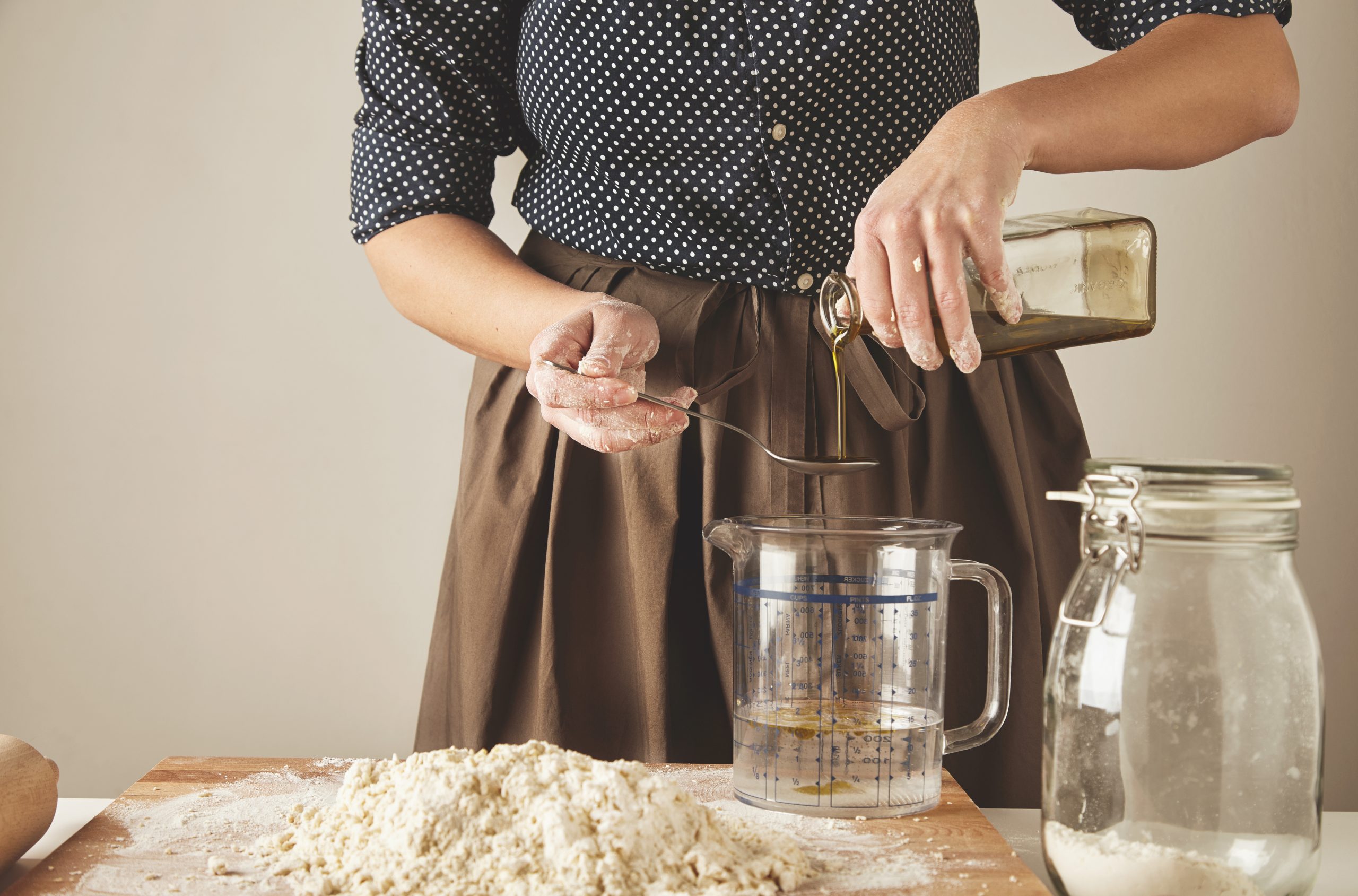

The measuring jug rarely gets the admiration reserved for stand mixers or copper pans. It sits, slightly cloudy or faintly scratched, near the back of the cupboard. And yet, more baking mishaps can be traced to this unassuming vessel than to almost any other tool.
The best measuring jugs for baking are not flashy. They are readable immediately, balanced in the hand, and honest about their limitations. A good jug doesn’t distort measurements when viewed from above. It doesn’t drip down its side when you pour batter into a tin. It doesn’t warp after a few enthusiastic encounters with boiling milk.
Glass remains the quiet standard. Borosilicate glass jugs, the kind that can move from countertop to microwave without complaint, have a reassuring heft. I’ve watched bakers reach instinctively for them when accuracy matters — caramel, custard, that temperamental sponge that sinks if the liquid ratio shifts even slightly. The measurement markings, when etched or fired on properly, survive years of washing. They fade on cheaper versions, and once the numbers blur, confidence follows.
Many bakers swear by glass measuring jugs, and for the same reasons, gravitate toward glass food storage, valuing the same clarity, durability, and resistance to lingering odors.
Plastic has its defenders. Lightweight, less likely to shatter, often cheaper. For measuring cold liquids or whisking a quick pancake batter, a sturdy BPA-free plastic jug is perfectly adequate. But plastic scratches. It clouds. Over time, the once-crisp measurement lines soften into suggestion rather than instruction. And when hot sugar syrup meets thin plastic, there is often a faint wobble of doubt.
Capacity matters more than most people admit. The one-cup jug is charming but limiting. A two-cup (500 ml) version feels practical for everyday cakes. The one-litre jug earns its place when doubling recipes or preparing brioche dough that drinks milk greedily. Many seasoned bakers keep at least two sizes within reach, not out of indulgence but efficiency. There is a rhythm to baking, and stopping to wash and dry a jug mid-recipe interrupts it.
Then there is the spout — the most underestimated detail. A sharply defined, slightly pinched spout directs liquid cleanly. Wider, blunter lips tend to dribble. Anyone who has scraped sticky condensed milk off the side of a jug understands how design affects patience. Handles, too, deserve scrutiny. A thick, squared handle distributes weight better than a thin loop that presses awkwardly into the fingers when the jug is full.
Stainless steel measuring jugs occupy a different category. They are durable, nearly indestructible, and beloved in professional kitchens. But they hide their contents; you cannot check liquid levels from the side without leaning in. For home bakers who value visibility, that opacity can be frustrating. Precision benefits from transparency.
Measurement markings should be clear and varied. The best measuring jugs for baking include both metric and imperial units, printed large enough to read without squinting. Angled measurement lines — those clever internal markings that allow you to look down and measure from above — can save time, though some bakers distrust them, preferring eye-level accuracy. That preference often comes down to habit formed years earlier.
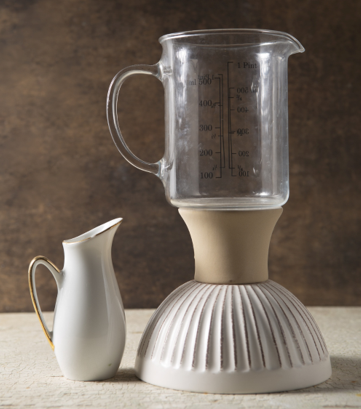
Heat tolerance is not a minor detail. Baking often involves warming milk, melting butter, blooming gelatin. A jug that tolerates microwave heat or brief oven contact simplifies the process. Glass excels here, provided it is properly tempered. Thin decorative jugs may crack under sudden temperature changes, a sharp reminder that not all glass is equal.
There is also the question of stability. A broad, flat base prevents tipping, especially when whisking directly in the jug. Narrow-based models feel precarious, particularly on cluttered counters. And counters are always cluttered mid-recipe.
Over time, the best measuring jugs for baking become marked by use: faint flour dust in the grooves of the handle, a tiny chip on the rim, measurement lines slightly faded but still legible. They accumulate memory. A hurried birthday cake. An ambitious sourdough experiment. A quiet Sunday morning with coffee cooling nearby.
No one frames a measuring jug in a kitchen photograph. But remove it, and the entire structure of baking wobbles.
The best ones do not demand attention. They simply perform — accurately, repeatedly, without drama — and that quiet reliability is exactly what baking asks for.

