


There’s something curious about visiting Paris for the first time. You usually arrive expecting fireworks. The most romantic city in the world. The best meals of your life. Perfect croissants on every corner.
And yes, you will find some of that — just not always as quickly as you might imagine.
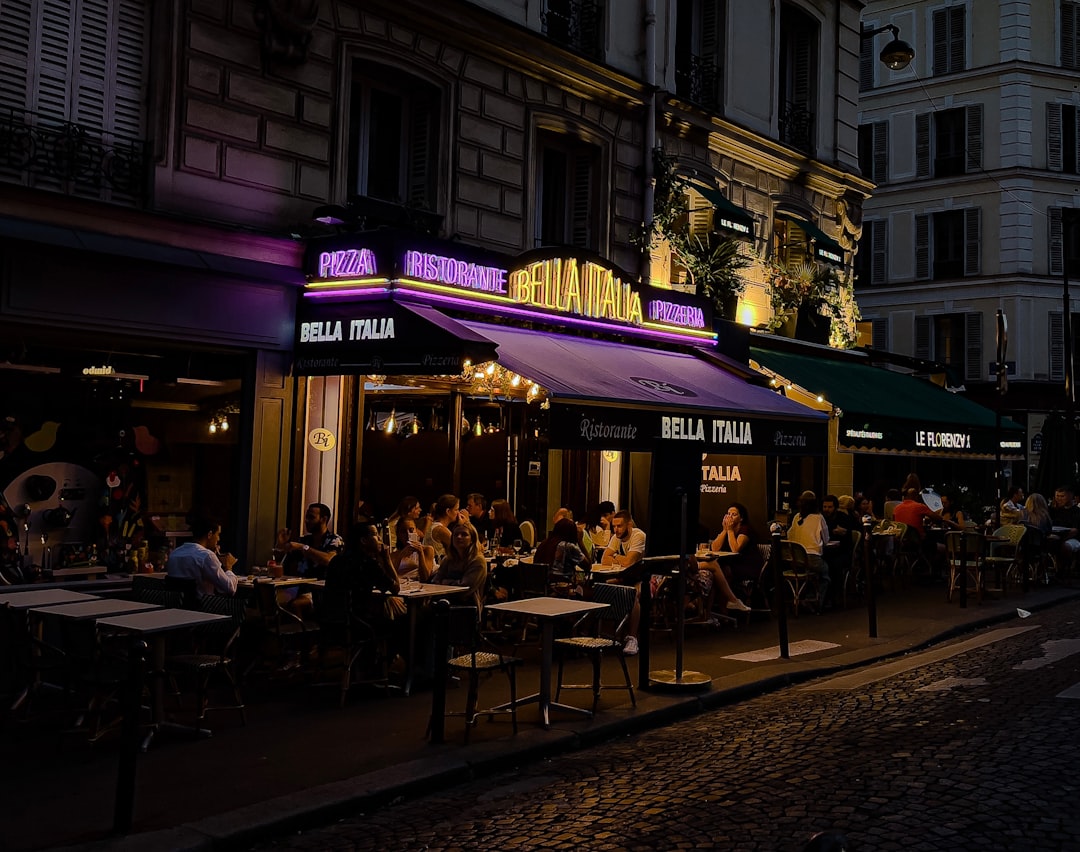
Sometimes the first impression is simply… crowded sidewalks, packed cafes, and restaurants with menus in five languages, trying to convince tourists to sit down. If you stay only on those streets, it’s easy to think that the city’s cuisine is a little overrated.
But the city’s true gastronomic culture lies elsewhere.
Where the locals eat
One of the most surprising things about Paris is how informal its food culture can be. Not all meals are long, elegant dinners. Most of the time, it’s much simpler.
A baguette sandwich bought at a bakery. A slice of quiche in a modest café. A couple of cheeses, a bottle of wine, and bread fresh from the neighborhood boulangerie.
Markets also play an important role. If you walk through places like the Marché des Enfants Rouges or any of the many neighborhood markets, you will quickly understand how everyday food works in Paris.
It’s simple. But it’s incredibly good. And that’s often when travelers begin to realize that Paris is not just about restaurants. It’s about the whole culture that surrounds eating.
Walking without a plan often works best
Some cities reward careful planning. Paris, oddly enough, often rewards curiosity and improvisation instead.
You can walk aimlessly for an hour and suddenly come across a bakery whose aroma is impossible to ignore. Or a small wine bar filled with locals laughing and sharing simple dishes.
These kinds of discoveries are difficult to plan. That’s why many travelers choose to start their visit with something like a guided Paris food tour. A simple experience that allows you to sample bread, cheese, pastries, chocolate, and other classics while exploring real neighborhoods instead of staying only in the most touristy areas.
After a tour like this, getting around the city becomes much easier. You’ll notice the difference between places designed for tourists and those that Parisians return to week after week.
The dilemma of viral restaurants
Of course, Paris also has its own list of viral restaurants. With social media, some places become famous almost overnight, and suddenly, there are endless lines at the door from morning to night.
Pink Mamma is probably one of the best-known examples.
The restaurant is undeniably spectacular, and for many visitors it sits high on their list of “must-try” places. But the experience in places like this can vary greatly depending on expectations. Some people love it. Others prefer the small, quiet bistros scattered throughout the city.
And the truth is that both coexist perfectly.
Magic is often found in small places
What makes Paris special is not a famous restaurant. It’s the thousands of small food businesses that do their job every day. Bakeries that have spent decades perfecting the same croissant recipe. Cheese shops where the owner insists you try three varieties before making up your mind.
These places almost never appear when you search for “the best restaurants in Paris.” You usually find them by walking around, asking locals, or sometimes through experiences like a Paris food tour.
After that, the city feels different. You stop chasing famous places and start enjoying small discoveries.
Paris tastes better when you slow down
If there’s one common mistake many travelers make in Paris, it’s trying to see too much too quickly. Three museums in one day. Five monuments before dinner. One reservation after another.
But Paris is a city that asks you to slow down. Stay a little longer in a café. Detour to a bakery that wasn’t in the plan. Order dessert even when you’re already full.
Whether it’s at a viral restaurant like Pink Mamma or a neighborhood bakery that, without realizing it, becomes your daily stop, those small moments are often what people remember most about the city.

