

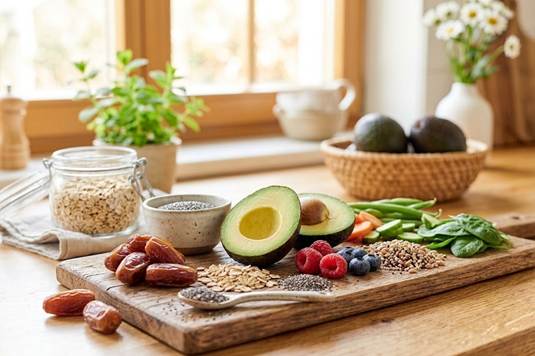

The World Avocado Organisation reveals why fibre is moving beyond digestive health and into the nutrition spotlight, and why the answer to getting more could be as simple as adding avocados to our plates
London, 23 September 2026 – Protein has become a major focus in nutritional advice and everyday food choices, with growing awareness of how important it is across different stages of your day and moments of life, from supporting muscle health to recovery and helping with fullness to so many other aspects. Whether it’s for breakfast, lunch, dinner, pre or post-workout meals, protein has become a nutrient many of us make sure we are actively thinking about it, and we don’t dispute its importance.
Now, another nutrient is stepping into the spotlight: fibre.
Once associated primarily with digestive health, fibre has become one of 2026’s biggest nutrition conversations. The rise of “fibremaxxing” has even led to fibre being dubbed “the new protein”, as consumers turn their attention to a nutrient that has traditionally received far less attention.
But behind the trend lies a much bigger story. Research continues to explore fibre in areas spanning the gut microbiome, appetite and satiety, weight management and cardiometabolic health. At the same time, evidence suggests that many people across Europe are still consuming less fibre than recommended.
For the World Avocado Organisation (WAO), this renewed attention presents an opportunity to rediscover something that has been hiding in plain sight. Avocados may be best known nutritionally for their unsaturated fats, but they are also a natural source of fibre: only half a Hass avocado (68g) provides 4.6g of dietary fibre, around 15% of the UK’s daily intake of 30g.
Do we really get as much as we think?
Despite its newfound popularity, fibre intake across Europe remains below recommended levels. And there appears to be a disconnect between how much fibre people think they are getting and how much they may actually consume.
A 2026 pan-European survey of more than 7,000 consumers found that half believed they consumed enough fibre. However, while European adults are recommended to consume at least 25g of fibre a day, average intake typically ranges between just 16g and 24g per day.
The study also found that while adults had a relatively good general understanding of fibre, more detailed questions revealed significant gaps in knowledge.
How much should we be aiming for? In the UK, government guidelines recommend that adults consume 30g of fibre a day, from a variety of plant foods.
That nutritional gap matters because fibre’s role in our diet goes far beyond the digestive health benefits it is traditionally known for.
Why fibre is having its protein moment
While proteins are associated with muscle health and satiety, fibre plays a different but equally important role in everyday nutrition. For children, getting enough fibre can support a healthy digestive system, while fibre-rich foods can also contribute to more sustained energy throughout the day. These benefits make fibre an important part of a balanced diet, from breakfast and lunch to snacks and after-school bites.
Scientific evidence has linked adequate fibre intake with increased feelings of satiety, while research has also examined its role in weight management and cardiometabolic health.
Different types of fibre can contribute to fullness through mechanisms including slowing gastric emptying and influencing appetite regulation.
And then there is the gut. Certain dietary fibres are fermented by the gut microbiota, producing short-chain fatty acids (SCFAs) – compounds now being studied for their roles in a range of physiological processes, including interactions within the gut and with the immune system.
None of this means fibre is replacing protein: the two nutrients perform very different functions. But it does help explain why fibre is moving beyond its traditional digestive-health territory and attracting a much broader nutrition conversation.
Avocado’s overlooked nutrient steps into the spotlight
As fibre takes centre stage, one part of avocado’s nutritional profile deserves a closer look. Half an avocado (68g) provides 4.6g of dietary fibre, including both soluble and insoluble fibre. That makes avocado a naturally fibre-containing whole food that can contribute to daily intake without requiring people to completely rethink the way they eat.
Nutrition experts also point to the particular combination of nutrients found in avocado. As Jasmine Bliss, dietitian-nutritionist and collaborator with the World Avocado Organisation, explains:
“Avocado is a particularly interesting food from a gut health perspective because it combines several nutrients that work together.”
“Firstly, it provides a meaningful amount of fibre, both soluble and insoluble, which supports digestion, regular bowel movements and feeds beneficial gut bacteria. When this fibre ferments in the gut, it contributes to the production of short-chain fatty acids, which help support the gut lining and overall digestive function. Avocado is also rich in monounsaturated fats, particularly oleic acid, which are associated with heart health and may also support a favourable inflammatory environment in the body. This combination of fibre and fats also slows digestion slightly, which can support satiety, more stable blood sugar responses and overall metabolic health – all relevant for both gut health and energy levels,” states nutritionist Jasmine.
A major long-term study published in the Journal of the American Heart Association followed more than 110,000 adults for up to 30 years and found that eating two or more servings of avocado a week was associated with a 16% lower risk of cardiovascular disease and a 21% lower risk of coronary heart disease, compared with not eating avocado.
More recent research is beginning to provide further insight into avocado’s nutritional profile. A 2026 study found that people who incorporated one avocado a day into their habitual diet for 26 weeks had a reduction in total LDL particle concentration. A single avocado provides approximately 9.2g of fibre, including around 3.3g of soluble fibre, and the researchers suggested that the increase in fibre and phytosterol intake associated with avocado consumption may help explain the observed result.
Together, these findings add another dimension to avocado’s fibre story, highlighting a part of its nutritional profile that is becoming increasingly relevant as scientific and consumer interest in fibre continues to grow.
Rather than turning another nutrient into something to count, maximise or supplement, fibre’s moment is a chance to rediscover the nutritional value already present in familiar whole foods.
Avocado fits naturally into that shift. Its versatility means it can bring fibre into meals throughout the day, whether added to breakfast, blended into a smoothie, served in a salad or bowl, or simply eaten as an after-school snack or a pre and post-workout snack, while offering the taste, texture and versatility that have already made it a staple in kitchens around the world.
Avocado and Cocoa Energy Balls
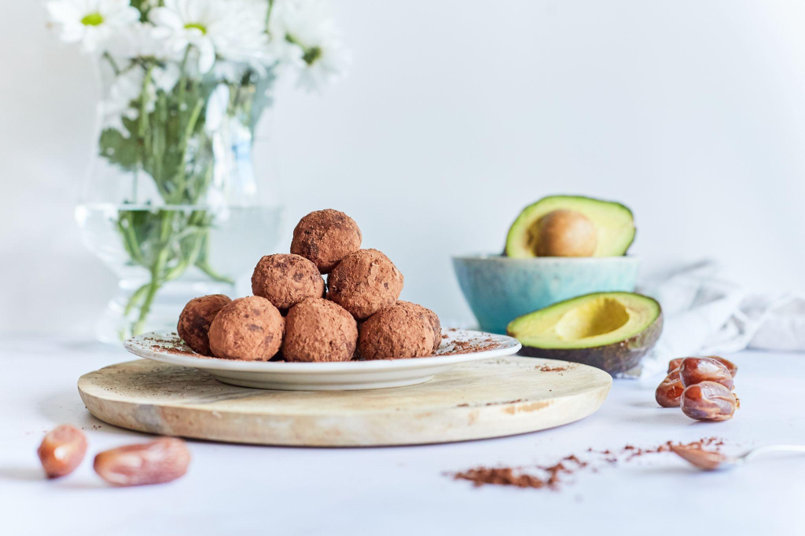
Photo: World Avocado Organisation
Serves: 12–14 balls
Preparation time: 15 minutes
Ingredients
- 1 ripe avocado
- 12 pitted dates (approx. 200g)
- 30g unsweetened cocoa powder
- 50g fine rolled oats
- 1 teaspoon cinnamon
- Extra cocoa powder for coating
Method
- Remove the stones from the dates.
- Peel and stone the avocado.
- Place the dates, avocado, cocoa powder and cinnamon in a food processor and blend until smooth and creamy.
- Add the rolled oats and mix well until you have a firm, easy-to-handle mixture.
- Shape the mixture into small balls with your hands (dampen your hands if necessary), then roll each ball in cocoa powder to coat.
- Refrigerate for at least 30 minutes before serving.
Avocado Bread
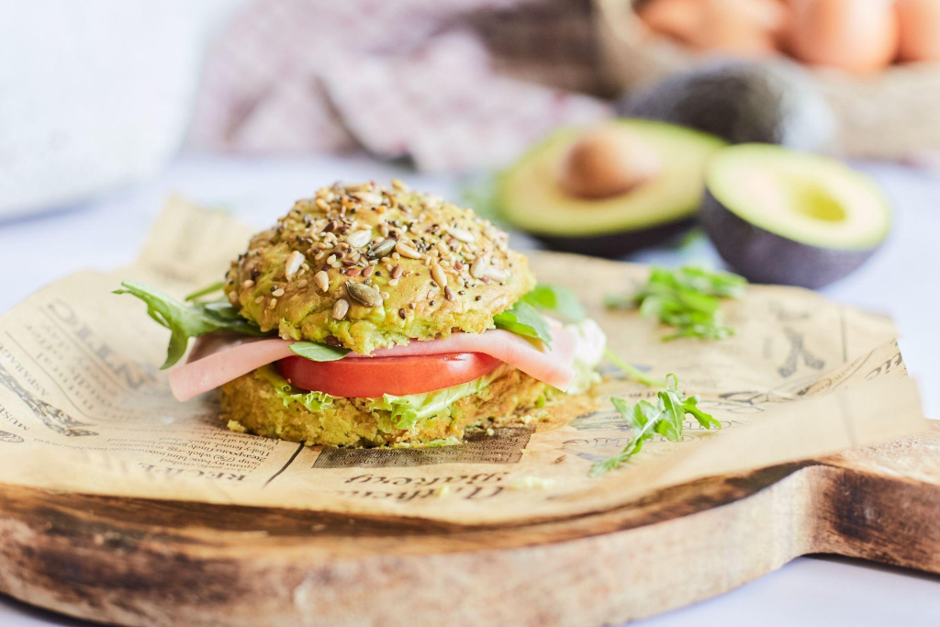
Photo: World Avocado Organisation
Serves: 2 people
Ingredients
- 1 avocado
- 1 egg
- 40 g grated mozzarella cheese
- Salt to taste
- Seeds for garnish
Method
- Remove the avocado skin and mash it with a fork until smooth and creamy.
- Add the egg, grated mozzarella and a pinch of salt and pepper, mixing until you achieve a smooth, homogeneous mixture.
- Pour the mixture into a small oven- or Air Fryer-safe mould and sprinkle the seeds on top.
- Cook at 180°C for 12 minutes in the Air Fryer or at 200°C for 20 minutes in the oven, until the surface is golden brown.
- Leave to rest for a few minutes before removing from the mould and slicing. Fill as desired.
About the World Avocado Organisation
The World Avocado Organisation is a non-profit organisation founded in 2016 whose members are avocado growers, exporters and importers from around the world – including the top four grower supplier countries to the EU and UK. The World Avocado Organisation promotes the consumption of avocados based on their nutritional value and recognised health benefits. It also shares information and insights on avocado production, supply chains and sustainability with the public.
For the website, please go to:
www.worldavocadoorganisation.com
For further information, contact: info@worldavocadoorganisation.com
For press-related queries please contact: rita@marco.agency
FAQs
1. Why is fibre being called the new protein?
Fibre is being described as “the new protein” because it has become a major nutrition conversation alongside growing consumer interest in protein. The renewed attention reflects research into fibre’s links with digestion, satiety, the gut microbiome, weight management and cardiometabolic health. Fibre does not replace protein, however, because the two nutrients perform different functions.
2. How much fibre should adults eat each day in the UK?
UK government guidance recommends that adults consume 30g of fibre a day from a variety of plant foods.
3. Are people in Europe getting enough fibre?
The article cites evidence suggesting that average fibre intake across Europe remains below recommended levels. European adults are recommended to consume at least 25g of fibre a day, while average intake typically ranges between 16g and 24g per day.
4. How much fibre is in half an avocado?
According to the figures cited in the article, half a Hass avocado weighing 68g provides 4.6g of dietary fibre, equivalent to around 15% of the UK’s 30g daily recommendation.
5. Does avocado contain both soluble and insoluble fibre?
Yes. The article states that half an avocado provides 4.6g of dietary fibre, including both soluble and insoluble fibre.
6. How can fibre support gut health?
Certain dietary fibres can be fermented by the gut microbiota, producing short-chain fatty acids. These compounds are being studied for their roles in physiological processes involving the gut and immune system.
7. Can fibre help with fullness?
Research cited in the article has linked adequate fibre intake with increased feelings of satiety. Different types of fibre can contribute to fullness through mechanisms including slowing gastric emptying and influencing appetite regulation.
8. Does avocado provide more than fibre?
Yes. Avocado is also known for its unsaturated fats, particularly monounsaturated fats. The article highlights the combination of fibre and fats as part of avocado’s broader nutritional profile.
9. How can I add more fibre to meals?
The article suggests using avocado in different meals and snacks, including breakfast, smoothies, salads and bowls. It also provides recipes for avocado and cocoa energy balls and avocado bread.
10. Does fibre replace protein?
No. The article specifically notes that fibre does not replace protein because the two nutrients perform different functions. The growing interest in fibre represents broader attention to nutrition rather than a replacement for protein.
11. What is “fibremaxxing”?
“Fibremaxxing” is a consumer trend referring to an increased focus on deliberately getting more dietary fibre into the diet. The article identifies it as one reason fibre has entered the wider nutrition conversation in 2026.
12. What are the avocado recipes included in the article?
The article includes Avocado and Cocoa Energy Balls and Avocado Bread. The energy balls use avocado, dates, cocoa powder, oats and cinnamon, while the avocado bread uses avocado, egg, mozzarella, salt and seeds.
References
Azaïs-Braesco, V., Lionnet, A., Maillot, M. & Kolehmainen, M. (2026). “Consumers vary in their attitudes and expectations about dietary fibre: analysis of answers to a pan-European online survey.” Public Health Nutrition. https://doi.org/10.1017/S1368980026102298
European Commission, Health Promotion and Disease Prevention Knowledge Gateway (2026). “Dietary Fibre.” Knowledge4Policy. Last updated 12 March 2026.
Guarneiri, L.L., Kirkpatrick, C.F. & Maki, K.C. (2025). Protein, fibre, and exercise: a narrative review of their roles in weight management and cardiometabolic health. Lipids in Health and Disease, 24, 237. DOI: 10.1186/s12944-025-02659-7.
Pacheco et al. (2022), Journal of the American Heart Association. Avocado Consumption and Risk of Cardiovascular Disease in US Adults. DOI: https://doi.org/10.1161/JAHA.121.024014
Damani R, et al. Effect of incorporating 1 avocado per day on lipoprotein particle concentrations compared to habitual intake in adults with abdominal obesity. Journal of Clinical Lipidology. 2026. https://doi.org/10.1016/j.jacl.2026.06.005

