

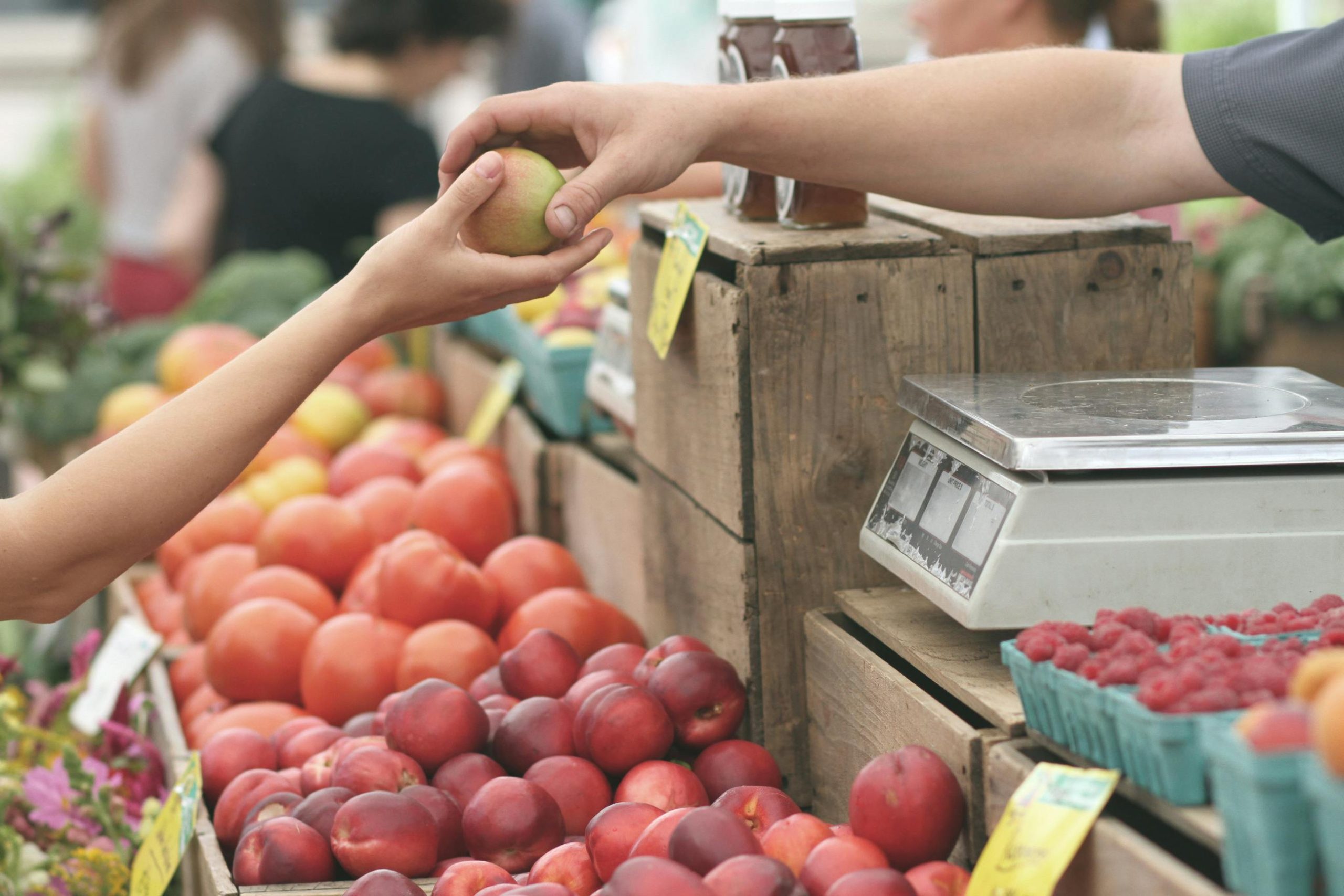

Local food isn’t just about what’s on the plate—it’s about who’s at the table. Across communities, farmers markets, food trucks, pop-ups, and backyard potlucks have become more than culinary events; they’re moments of connection, culture, and care. But as we embrace food as a gathering point, we also face a new challenge: how do we create inclusive, safe spaces that allow these connections to flourish?
According to a 2023 report from the USDA, direct-to-consumer food sales (like farmers markets and local food events) reached over $3 billion in the U.S., showing that communities are prioritizing local, seasonal, and sustainable food more than ever before. The surge reflects more than just a taste preference—it’s a movement toward healthier eating, economic support for local farmers, and a desire to reconnect in real time.
Here’s how celebrating local food and investing in safer public gathering practices can go hand-in-hand.
Local Food Is About People First
When you buy from a local grower or eat at a community-led pop-up, you’re doing more than filling your stomach. You’re helping preserve food heritage, supporting small economies, and strengthening social bonds. These connections are vital, especially in urban neighborhoods or areas with limited access to fresh produce.
Benefits of local food events:
- Boost local economies by supporting small farms and vendors
- Strengthen cultural identity through regional or ancestral dishes
- Offer educational experiences for families and children
- Reduce food miles and carbon footprint
- Promote food security and community self-reliance
And they’re memorable too. More and more people are documenting these shared meals through storytelling, recipes, and food photobooks. A beautifully curated book of local flavors, family dishes, and pop-up experiences doesn’t just preserve food—it preserves the stories and people behind it.
Rethinking Safety in Gathering Spaces
Creating spaces for food gatherings means thinking beyond tables and menus. For these events to thrive, especially post-pandemic and in diverse community settings, physical and environmental safety is a must. That means not just clean facilities or crowd control—but also a focus on wellness and accountability.
A few safety considerations for shared spaces:
- Clean, accessible bathrooms and handwashing stations
- Ample lighting for evening gatherings
- Clearly marked exits and open walkways
- Ventilation for indoor dining or food prep areas
- Policies to support smoke-free or vape-free environments
For indoor or semi-enclosed food events, a vape detector can be a smart, subtle way to keep the air safe—especially around children, elders, or people with asthma. These small devices ensure compliance with smoke-free space policies without confrontation or intrusion, protecting the comfort and health of all guests.
Food, Wellness, and Mental Health
Eating together has always been a ritual of belonging, but it also plays a major role in emotional well-being. Studies show that shared meals are linked to improved mental health and social connectedness, particularly in communities that may be facing loneliness, economic stress, or cultural displacement.
How local food events support wellness:
- Encourage mindful eating and slower food experiences
- Create routine and structure through regular markets or dinners
- Offer platforms for storytelling and community healing
- Reduce stigma by bringing people together across age or background
- Promote nutrition education in a non-clinical, joyful setting
Pairing food experiences with live music, spoken word, or shared journaling can deepen the impact. Whether it’s a “story of a dish” night or a collaborative cook-along, these are chances to not only feed people—but to uplift them.
Making Events Accessible and Inclusive
True community food celebrations are open to all—not just those with disposable income or culinary knowledge. That means removing barriers to participation and designing spaces with inclusivity in mind.
Ways to improve accessibility:
- Sliding scale pricing or food voucher systems
- Multilingual signage and menus
- Seating and pathways that are wheelchair accessible
- Partnering with mutual aid groups to offer transport or childcare
- Sharing recipes and food stories online for those who can’t attend
These details don’t just invite people—they reflect care.
Final Thoughts
Food brings us together. But for those moments to be meaningful, we have to create spaces that are safe, inclusive, and rooted in shared values. From installing a vape detector to documenting meals through food photobooks, small decisions shape the way we remember and experience community gatherings.
Celebrating local food isn’t just about highlighting what’s fresh—it’s about nurturing what’s essential: connection, culture, and care. And when we design with that in mind, we’re not just feeding people. We’re building stronger, healthier communities—one meal at a time.

