


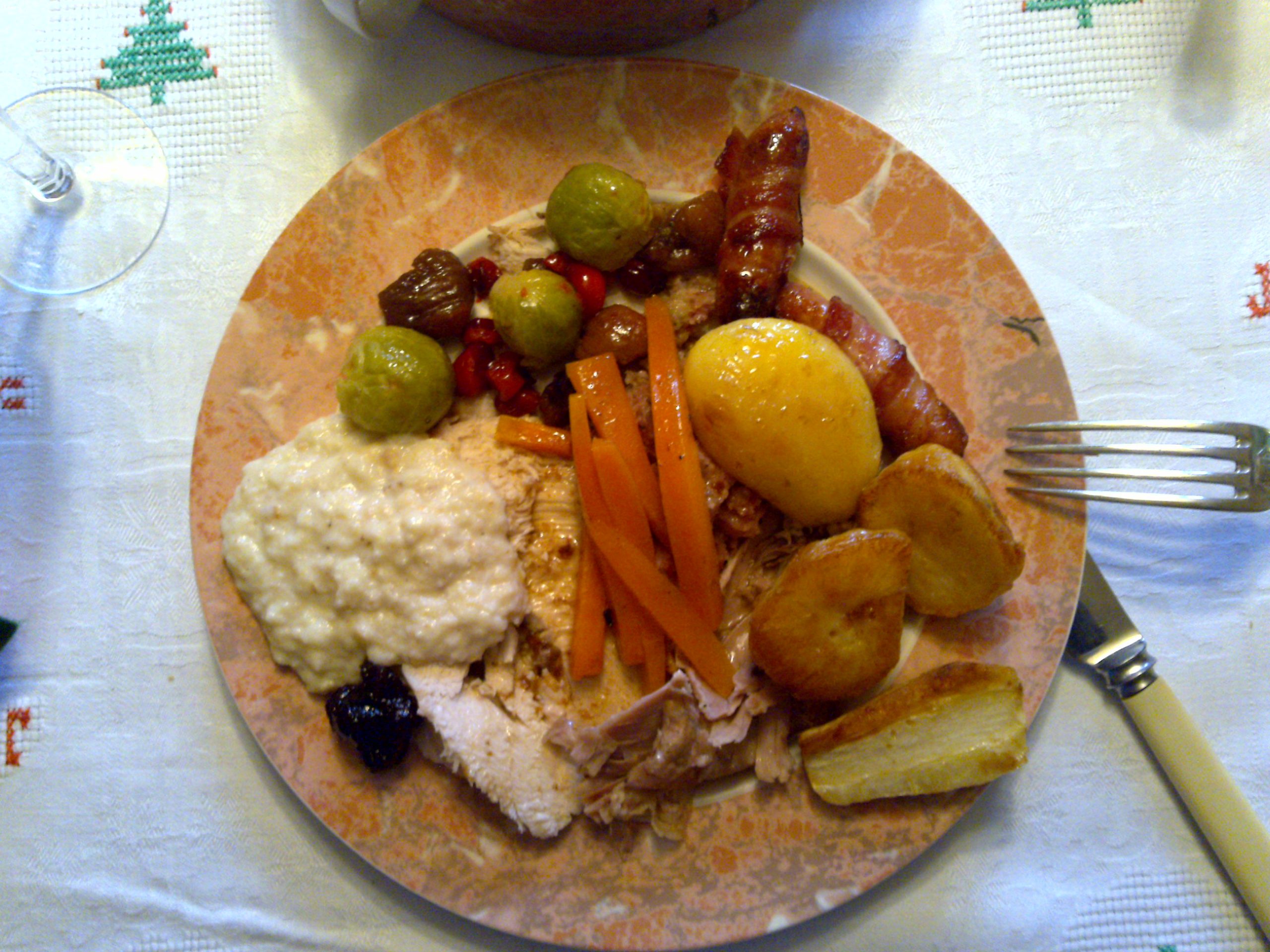
British restaurants, pubs and catering businesses are facing uncertainty over Christmas food costs as they prepare for one of the busiest periods of the hospitality calendar.
Hospitality purchasing specialist Lynx Purchasing has warned that expensive ingredients, potential poultry supply disruption and cautious consumer spending could affect festive trading.
The company’s Winter 2026 Market Forecast, announced on 22 November, examines purchasing conditions across the food and drink industry ahead of Christmas and the beginning of 2027.
Turkey Supplies Face Uncertainty Ahead of Christmas
Avian influenza restrictions have raised concerns about the availability of fresh poultry during the festive period.
According to Lynx Purchasing, some suppliers have taken steps to protect stock availability by freezing poultry earlier than usual.
Restaurants accepting additional Christmas bookings may need to confirm ingredient availability before committing to particular menu options.
The warning does not mean that Britain is experiencing a nationwide turkey shortage. Availability will depend on suppliers, existing orders and developments within the poultry sector.
Beef and Salmon Remain Expensive Menu Choices
Businesses offering alternatives to traditional Christmas turkey are also facing purchasing challenges.
Lynx Purchasing identifies reduced cattle availability and increased production expenses as continuing pressures on the beef market.
Salmon is another relatively expensive option for festive menus.
For restaurants offering fixed-price Christmas meals, changes in ingredient costs can affect profitability when menu prices have already been advertised.
This makes accurate portion planning, supplier communication and effective stock management particularly important.
Potato Availability Offers Some Encouragement
Not every ingredient faces the same purchasing conditions.
Although summer weather affected potato production, British supplies are comparatively favourable against several European markets.
Fresh potatoes could therefore remain a practical option for restaurants preparing traditional festive meals.
However, imported and processed potato products may face different pricing pressures.
The differences between individual ingredients reflect the wider trends examined in Food Future’s coverage of UK food prices in 2026.
Businesses should assess individual purchasing costs rather than assume that every food category is experiencing the same level of inflation.
Cooking Oil Costs Affect Commercial Kitchens
Vegetable oil remains another concern for the hospitality sector.
International supply conditions and transport expenses can influence the cost of cooking oils and manufactured products containing these ingredients.
For restaurants and takeaway businesses, cooking oil is a recurring operating expense rather than an occasional seasonal purchase.
Commercial kitchens that depend heavily on fried food may therefore experience different purchasing pressures from businesses serving primarily roasted, baked or grilled dishes.
Changes in the cost of everyday ingredients can be particularly challenging for independent operators with limited purchasing power.
Christmas Food Costs and Consumer Spending
Restaurants must balance increasing operating expenses with customers’ expectations of affordable festive meals.
Christmas bookings provide an important opportunity for hospitality businesses to generate revenue before the traditionally quieter months of January and February.
However, increasing menu prices may discourage customers who are already managing higher household expenditure.
Operators accepting additional bookings must also consider staffing requirements, available kitchen capacity and the cost of sourcing extra ingredients.
Food Future’s analysis of UK hospitality employment and wage costs provides further context on the financial pressures affecting the sector.
For customers, comparing festive menus requires consideration of the complete dining experience, including the number of courses, included drinks and any additional service charges.
Reducing Food Waste During Festive Trading
Managing food waste can help hospitality businesses protect their margins without compromising the quality of their meals.
Christmas menus often involve advance bookings, providing operators with an opportunity to estimate ingredient requirements before purchasing supplies.
Where customers select their meals ahead of their visit, kitchens can plan preparation more accurately.
Using compatible ingredients across several dishes may also help reduce unnecessary stock requirements.
However, purchasing decisions must remain consistent with food safety standards, allergen management and appropriate storage procedures.
Households preparing their own festive meals face similar challenges when estimating food quantities. Our guide to planning a weekly food shop and wasting less offers practical suggestions for managing purchases more efficiently.
Hospitality Businesses Prepare for an Uncertain 2027
Beyond Christmas, attention is turning towards trading conditions during the first months of 2027.
Lynx Purchasing expects continued uncertainty across international ingredient markets and consumer demand.
Businesses planning their winter menus may benefit from maintaining flexibility, particularly where individual products become more expensive or difficult to obtain.
Working with local suppliers, reviewing purchasing arrangements and monitoring ingredient availability could help operators respond to changing conditions.
The latest forecast highlights the importance of balancing festive sales with sustainable business planning.
For Britain’s hospitality sector, the challenge will be to deliver attractive Christmas dining experiences while managing purchasing costs and preparing for the quieter trading period ahead.
Source: Lynx Purchasing, Winter 2026 Market Forecast announcement, 22 November 2026.

