

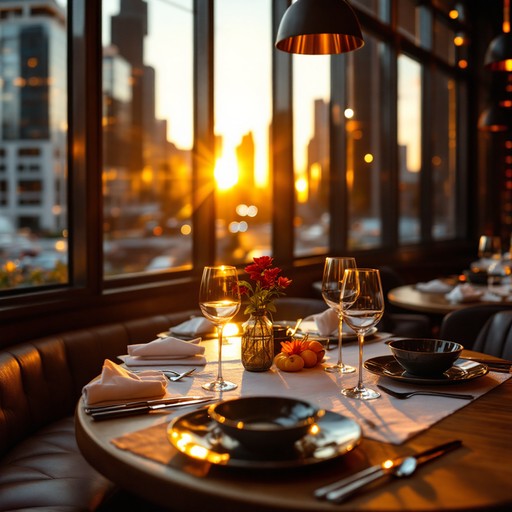

London’s dining scene in 2026 focuses on high-value culinary experiences. Despite economic pressure, the UK restaurant market stands at £18.5 billion. Meanwhile, average spend per visit rose to £18.35 in early 2026, marking a 5.5% annual increase. Consequently, new launches reflect clear industry shifts. These include single-concept artisan venues, luxury hotel dining rooms in Mayfair and Bloomsbury, and global food brands adapting to British seasonal produce.
Table of Contents
- Executive Summary & Sector Overview
- Macroeconomic Drivers Shaping New Restaurant Openings in London 2026
- Key London Opening Hotspots & Notable Launches
- Central London: Mayfair, Soho & Bloomsbury Openings
- East & North London: New Restaurant Launches in Hackney & Shoreditch
- Emerging Trends Across New Restaurant Openings in London 2026
- Impact on UK Food Supply Chains & Local Agriculture
- Key Takeaways
- Expert Insight
- Final Conclusion
Executive Summary & Sector Overview
The wave of new restaurant openings London 2026 has brought remarkable energy to the capital’s culinary scene. While overall dining out frequency saw a slight dip early this year, overall market revenue remains stable. Therefore, consumers now favour intentional dining choices. Diners choose places that offer distinct menus, transparent sourcing, and memorable spaces.
From global luxury arrivals in Mayfair to cosy bistros in East London, fresh dining spots are thriving. This report explores key launch data, commercial performance, regional hotspots, and supply chain updates across the capital.
Macroeconomic Drivers Shaping New Restaurant Openings in London 2026
To understand the pace of fresh dining launches, we must examine the economic background. Hospitality businesses face changing costs, yet opportunities remain strong.
+------------------------------------+-----------------------+----------------------------------+
| Economic Indicator                 | Value / Metric        | Primary Driver / Source          |
+------------------------------------+-----------------------+----------------------------------+
| UK Restaurant Market Valuation     | £18.5 Billion (2025)  | Lumina Intelligence Market Data  |
| Q1 2026 Average Spend per Visit    | £18.35 (+5.5% YoY)    | Cost Pass-Through & Premiumisation|
| UK Dining Out Participation Rate   | 53.3% (Q1 2026)       | Mintel / Lumina Consumer Tracker |
| Set Menu & Loyalty App Adoption    | 43% Choice Rate       | Mintel UK Eating Out Review 2026 |
+------------------------------------+-----------------------+----------------------------------+
Industry data from Mintel shows that 90% of UK adults still eat out or order takeaway. However, consumer habits are shifting in two clear ways:
- Quality over Frequency: Diners visit restaurants less often. However, they spend more per visit on premium experiences.
- All-Day Dining: Successful new venues operate continuously. They offer morning coffee and pastries before moving to evening wine and dinner.
As a result, operators launching new restaurant openings in London 2026 are adapting their financial plans to meet these habits.
Key London Opening Hotspots & Notable Launches
Central London: Mayfair, Soho & Bloomsbury Openings
Central London remains the prime hub for global dining groups and high-investment UK ventures. In addition, major hotel projects are adding top-tier rooftop bars and specialised kitchens.
Mayfair & Grosvenor Square
- Carbone London (Grosvenor Square): Major Food Group brought its famed Italian-American venue to The Chancery Rosewood in Mayfair. Featuring classic service and retro styling, it stands out among luxury new restaurant openings London 2026.
Soho & Covent Garden
- Saltwater (Berwick Street, Soho): Created by the team behind Milk Beach, Saltwater brings counter-seat sushi and fresh handrolls to Soho.
- Whippies (Seven Dials Market, Covent Garden): Launched by Big Kid founder Harry Webb, this dessert shop uses organic British dairy and brown butter bases.
Bloomsbury
- Arcus & Bancone (The Imperial Hotel, Russell Square): The Imperial Hotel upgrade features rooftop spot Arcus. Meanwhile, pasta brand Bancone opened its sixth location on the ground floor, offering seating for 140 indoor guests and 60 terrace diners.
East & North London: New Restaurant Launches in Hackney & Shoreditch
Neighbourhoods in East and North London continue to support creative chefs, boutique tasting rooms, and regional European kitchens.
+--------------------------+-----------------------+----------------------------------+
| Venue Name               | Location              | Concept Focus                    |
+--------------------------+-----------------------+----------------------------------+
| Waterhouse               | Ezra Street, Hackney  | 24-Seat Tasting Room & Wine Bar  |
| Tasca at Project 44      | Shoreditch            | Iberian & Portuguese Small Plates|
| Superette                | Highgate              | Artisanal Grocer & Deli Dining   |
| Soraya                   | Marylebone            | Persian-Influenced Mediterranean |
+--------------------------+-----------------------+----------------------------------+
- Waterhouse (Hackney): Chef Gabriel Waterhouse moved his tasting room to Ezra Street. The expanded 24-seat space now includes a garden and a natural wine bar.
- Tasca (Shoreditch): Following a successful temporary run, chef Josh Dallaway and sommelier Sinead Murdoch opened Tasca at Project 44. The menu highlights British seasonal ingredients cooked over charcoal.
Emerging Trends Across New Restaurant Openings in London 2026
Our research reveals three main strategies behind successful new restaurant openings London 2026:
- Single-Item Menus: Dedicated food spots—such as hand-rolled pasta bars and artisan ice cream shops—enjoy steady footfall. Furthermore, their simple menus help keep kitchen costs manageable.
- Hotel Collaborations: Major hotels across Central London are actively partnering with proven restaurant brands. In doing so, they create destination rooftop dining spots for guests and locals alike.
- Direct Sourcing: To combat supply issues, independent kitchens buy directly from UK farms. Consequently, they rely far less on imported food lines.
Impact on UK Food Supply Chains & Local Agriculture
The arrival of fresh culinary venues directly boosts the UK farming sector.
- Direct Farm Deals: Many new restaurant openings London 2026 form direct partnerships with dairy farms in Kent, Sussex, and the West Country for milk, butter, and cheese.
- Sustainable Seafood: Raw bars and sushi spots in Central London drive steady demand for British seafood, including Cornish squid, Scottish scallops, and South Coast brown crab.
- Flexible Seasonal Menus: Chefs adapt their food offerings more frequently. As a result, they can balance ingredient prices and adjust to seasonal harvests.
Key Takeaways
- Strong Market Value: The UK dining sector stands at £18.5 billion, with London driving growth across casual fine dining.
- Higher Spend: Average spend per visit hit £18.35 in early 2026, as guests prioritize quality dining over frequent nights out.
- Regional Growth: Luxury venues lead in Mayfair and Bloomsbury, whereas East London focuses on micro-tasting rooms and natural wine bistros.
- Smart Business Models: Flexible menus and single-item concepts help kitchens navigate rising operational costs.
Expert Insight
“The landscape of new restaurant openings London 2026 proves that UK diners still value eating out. However, consumers have become far more selective. Venues that succeed today offer complete clarity—whether through fresh handmade pasta, seasonal tasting menus, or great hotel service. Businesses with focused menus and reliable supply chains will continue to thrive.”
— Food Future Hospitality Analysis Team
Final Conclusion
London’s dining sector in 2026 balances commercial adaptability with creative cooking. Although inflation requires careful financial planning, public demand for high-quality food remains strong. As key neighbourhoods welcome new venues throughout the year, London firmly maintains its place as a global culinary leader.
Frequently Asked Questions
1. What is the overall market value of the UK restaurant industry in 2026?
According to data from Lumina Intelligence, the UK restaurant sector reached a value of £18.5 billion in early 2026, supported by steady spend per visit.
2. How much do consumers spend on average per restaurant visit in London?
In early 2026, average dining spend across the UK reached £18.35, up 5.5% year-on-year. However, London figures trend higher due to luxury hotel dining and wine sales.
3. What key trends define new restaurant openings in London 2026?
Major trends include single-item focus menus, destination rooftop hotel bars, and regional Iberian or Persian food concepts.
4. Which London areas feature the highest number of new restaurant launches?
Central London (Mayfair, Soho, Bloomsbury) leads in luxury hotel dining rooms, whereas East London (Hackney, Shoreditch) leads in micro-bistros and wine bars.
5. Are set menus becoming more popular across new London dining spots?
Yes. Mintel research shows 43% of UK diners choose set menus to manage their budgets while enjoying high-quality food.
6. Which major global food brands opened in London recently?
New York’s Carbone (Major Food Group) recently launched inside The Chancery Rosewood in Mayfair, alongside several expanding European restaurant brands.
7. How do rising supply costs affect menus across new London restaurants?
Kitchens are adopting concise seasonal menus, securing direct UK farm contracts, and adjusting prices dynamically based on harvest availability.
8. How can guests book tables at top new restaurant openings in London 2026?
Most venues release booking slots online on a rolling 30-day window. Additionally, many sites keep counter seats open for walk-in lunch guests.

