


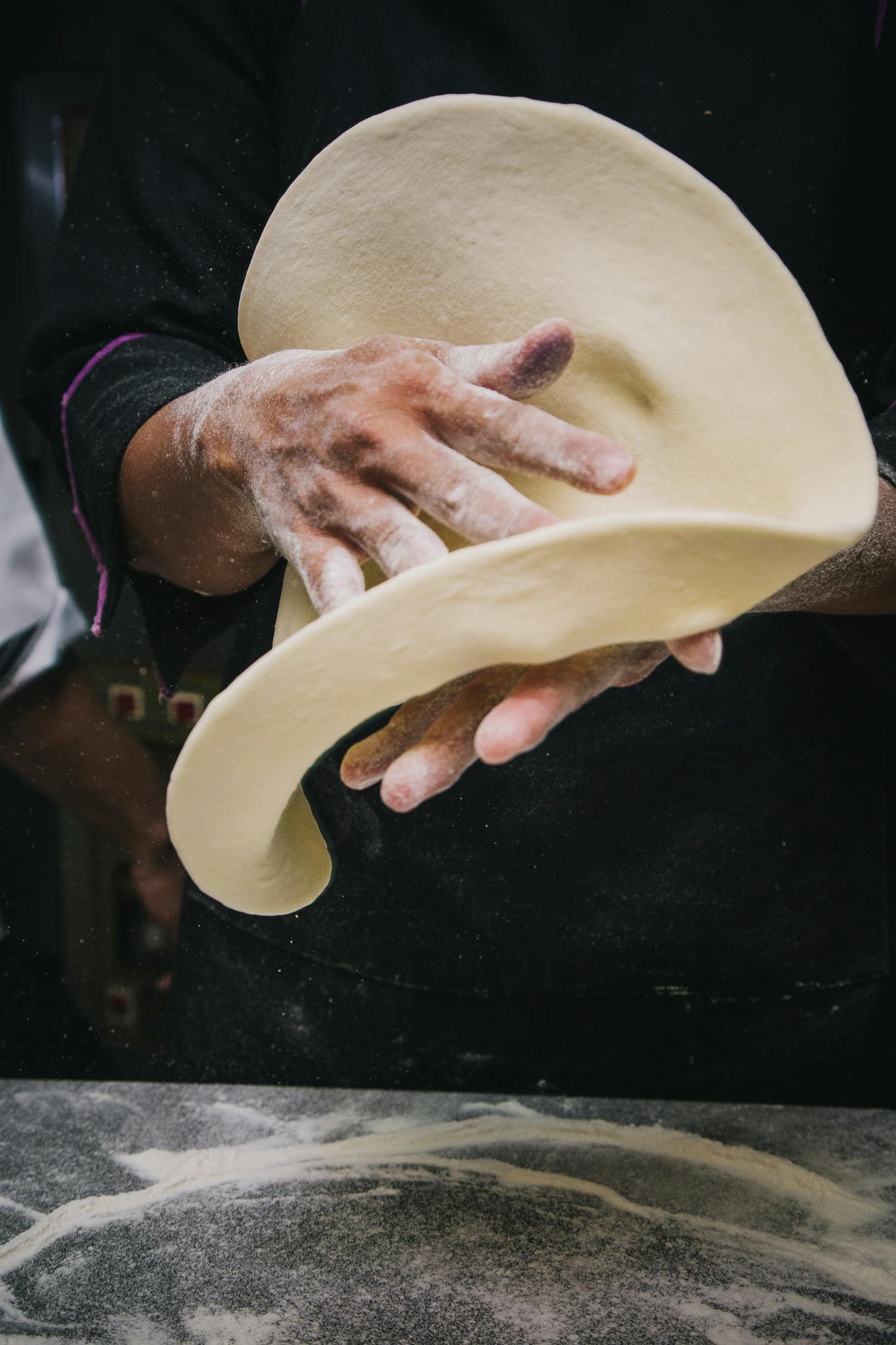
Pizza shops thrive on speed, consistency, and quality—three essential elements that become nearly impossible to achieve without proper dough management. When every second counts, disorganised storage leads to wasted time, inconsistent crusts, and frustrated staff. Investing in professional-grade systems ensures your operation runs smoothly, even during the busiest rushes.
The Hidden Costs of Poor Dough Storage
Cramming balls of dough onto crowded shelves or stacking them haphazardly in makeshift containers invites trouble. Without proper airflow and temperature control, fermentation becomes unpredictable and unreliable. A well-designed pizza dough box can help, but high-volume operations need more scalable solutions that maintain ideal proofing conditions while optimising space.
Fermentation Consistency is Non-Negotiable
Great pizza starts with perfectly proofed dough. If some batches rise too fast while others lag behind, texture and flavour suffer. Commercial dough retarders and proofing cabinets regulate humidity and temperature, ensuring every ball develops at the right pace. No more guessing games—just reliable results.
Maximising Kitchen Workflow
Ever seen a cook digging through piles of dough trays mid-rush? Wasted movement kills efficiency. Modular racks, stackable trays, and labelled compartments let staff grab what they need instantly. Smart layouts minimise steps, keeping the kitchen flowing smoothly even when orders pile up.
Avoiding Cross-Contamination and Waste
Uncovered dough absorbs odours and dries out, while improper storage encourages mould and bacteria. Dedicated, airtight containers prevent contamination while preserving freshness. Bonus: Organised systems reduce overproofing mishaps, meaning fewer batches end up in the trash.
Scaling Up Without Chaos
Expanding production shouldn’t mean tripping over extra dough tubs. Vertical storage, rolling racks, and adjustable shelving adapt to growing demand without cluttering precious workspace. The right setup accommodates sudden spikes—such as game days, holidays, or surprise catering orders—without missing a beat.
Durability That Outlasts the Daily Grind
Flour dust, moisture, and constant handling can quickly wreck flimsy containers. Industrial-grade materials resist warping, cracking, and staining, withstanding relentless use. Investing in rugged storage means fewer replacements and fewer mid-shift emergencies.
Integrating With Prep Stations
Why lug dough across the kitchen when it can be stored right where it’s needed? Under-counter chillers, mobile proofing carts, and countertop dividers keep ingredients within arm’s reach. Streamlining the process reduces unnecessary labour.
Smart Inventory Tracking
Running out of dough mid-service is a nightmare. Clear labelling, FIFO-compatible designs, and transparent bins make it easy to monitor stock levels at a glance. No more last-minute panic when the dinner rush hits.
Future-Proofing Your Pizza Shop
Trends change, menus evolve, and customer demand fluctuates. Flexible storage systems grow with your business, whether you’re adding gluten-free options, sourdough starters, or frozen dough backups.
Final Slice of Advice
Dough isn’t just an ingredient—it’s the foundation of your product. Treating storage as an afterthought risks quality, efficiency, and profits. Professional systems may require an upfront investment, but the payoff—consistent pies, a happier staff, and smoother operations—makes it a no-brainer for high-volume shops.

